Inscreva-se na Newsletter
Digite seu endereço de e-mail abaixo e inscreva-se na nossa newsletter.
Documentando a paixão por carros

If you are looking for the best project cars for beginners, you do not need the fastest car, the rarest platform, or the most expensive build. You need something simple: a car that is affordable to buy, easy to maintain, fun to drive, and supported by a strong aftermarket.
That is where many first-time enthusiasts get it wrong. They buy a car based only on looks or horsepower, then discover that parts are expensive, reliability is poor, or basic repairs are harder than expected. The real best project cars for beginners are the ones that let you learn step by step without turning your first build into a money pit.
In this guide, we will break down what makes a good first project car, which models are worth considering, and how to choose the right platform for your budget and goals.
Before looking at specific models, let’s define what actually matters.
The best project cars for beginners usually have five things in common:
A beginner project car should help you learn. That means oil changes, brakes, suspension work, intake upgrades, wheels, tires, exhaust mods, and basic troubleshooting should all be realistic. If you need specialty parts, rare electronic tools, or expensive labor from day one, it is probably not the right starting point.
Before you buy anything, ask yourself these four questions:
Some of the best project cars for beginners can still work as daily drivers. Others make more sense as second cars. Be honest here, because a daily-driven build needs reliability first.
Not every first project needs turbo plans and dyno numbers. For many beginners, suspension, tires, brakes, and driver feel make a bigger difference than chasing horsepower.
A cheap car is not always a smart car. If parts are hard to find, your “budget project” can become expensive very fast.
The car is only the entry price. You still need money for maintenance, fluids, tires, alignment, insurance, and unexpected repairs.
That is why the best project cars for beginners are not just cheap to buy. They are also realistic to own and improve.
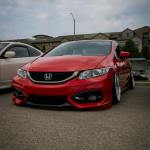
The Civic Si is one of the safest answers if you want one of the best project cars for beginners.
Why? Because it checks almost every box:
A Civic Si gives beginners a clean path into mods like intake, exhaust, wheels, suspension, shifter upgrades, and eventually tuning. It is also one of the easiest platforms to live with if you are still learning basic maintenance.
Best for: balanced daily/project build
Main strength: reliability + support
Watch out for: overpriced examples and poorly modified cars
If your priority is driver engagement, the Miata belongs on any serious list of the best project cars for beginners.
It is light, simple, rear-wheel drive, and supported by one of the biggest enthusiast communities in the car world. It teaches you more about driving feel than many higher-horsepower cars ever will.
A Miata is ideal for:
It may not be the best choice if you need lots of cargo space or back seats, but as a first enthusiast platform, it is incredibly hard to beat.
Best for: handling-focused beginners
Main strength: fun-per-dollar
Watch out for: rust, neglected soft tops, and overpriced clean examples
For buyers in the U.S., the Mustang is one of the most accessible V8 platforms and one of the best project cars for beginners if you want affordable power.
There is massive aftermarket support, endless wheel and suspension options, and strong community knowledge for bolt-ons, exhaust, intakes, and tuning. The Mustang also has a huge used market, which makes it easier to compare trims and conditions.
If you want a first project that feels exciting without getting too exotic, this is a strong choice.
Best for: affordable V8 fun
Main strength: power and aftermarket
Watch out for: insurance, previous abuse, and cheap tire setups
This platform is one of the most logical answers to the question: what are the best project cars for beginners who want modern handling and great aftermarket support?
These cars are beginner-friendly because they respond well to sensible upgrades:
They also teach an important lesson: you do not need massive horsepower to build a car that feels sharp, responsive, and rewarding.
Best for: modern rear-wheel-drive build
Main strength: chassis balance
Watch out for: buying a car with a poor tune or questionable engine history
If you like turbo platforms, the GTI is one of the best project cars for beginners because the upgrade path is very clear.
A GTI gives you access to:
That matters because many beginners want a car they can enjoy every day while still learning performance mods. The GTI is often one of the smartest ways to do that.
It also matches the kind of content TorqueBrief already covers well, especially around intake vs filter, downpipe choices, remap basics, and Stage 1 vs Stage 2 planning.
Best for: turbo daily driver project
Main strength: practical speed
Watch out for: maintenance history and neglected DSG/manual service
Older BMWs can absolutely be among the best project cars for beginners, but only for the right type of beginner.
These are not the cheapest cars to neglect, but they can be fantastic platforms if you buy a clean example and accept that maintenance is part of the game. They are fun, well-balanced, and still loved by the aftermarket.
A good E36 or E46 makes sense if:
Best for: hands-on learners
Main strength: driver feel
Watch out for: cooling system issues, deferred maintenance, and “cheap” examples that are expensive underneath
The RSX is one of the most underrated answers when discussing the best project cars for beginners.
It combines Honda reliability, strong aftermarket support, sporty looks, and a simple path for beginner-friendly mods. It is also easier to live with than many older RWD options.
For many first-time builders, this is exactly what makes sense: a platform that is fun, usable, and not mechanically intimidating.
Best for: beginner-friendly FWD build
Main strength: simplicity
Watch out for: worn interiors, theft history, and rough transmissions on abused cars
The 350Z can be one of the best project cars for beginners if you want rear-wheel drive, decent power, and strong visual presence.
It is popular for a reason:
That said, the 350Z is not always the cheapest car to insure or maintain, and many examples have been drifted, crashed, or modified badly.
Best for: sporty RWD street build
Main strength: style + performance
Watch out for: oil consumption, neglected suspension, and rough ownership history
Not everyone needs a performance badge to start. In fact, one of the best project cars for beginners is often a regular Civic hatch with a healthy engine, clean title, and strong maintenance history.
That is because beginners usually benefit more from a clean platform than from an expensive trim. You can still learn:
It is not the most glamorous answer, but it is one of the smartest.
Best for: lowest-risk first build
Main strength: affordability
Watch out for: buying a car only because it is cheap
Check for open recalls before buying any project car:
NHTSA Recalls Lookup
When people search for the best project cars for beginners, they often focus on the wrong things. Here are the biggest mistakes to avoid.
The cheapest car is often the most expensive one later.
A “cool platform” with terrible service history is still a bad buy.
For most beginners, tires, brakes, suspension, and maintenance should come before aggressive power upgrades.
Registration, insurance, tools, fluids, labor, and repairs all matter.
This is one of the fastest ways to turn a beginner build into a headache.
Does a Cold Air Intake Add Horsepower? Real Gains, Limits, and When It’s Worth It
Once you buy one of the best project cars for beginners, do not rush straight into big power plans.
Start with this order:
This matters even more on turbo platforms, where mods like intake, downpipe, and tuning should be planned together instead of randomly stacked. TorqueBrief already has related content on remap basics, downpipe decisions, Stage 1 vs Stage 2, and how to improve performance the smart way, which makes those great internal links for this post.
The truth is that the best project cars for beginners are not always the most powerful or the most exciting on paper. They are the cars that help you learn, grow, and enjoy the process without draining your budget.
If you want the safest overall picks, start here:
The right answer depends on your budget, your mechanical confidence, and whether the car needs to work as a daily driver.
Choose the platform that lets you build in stages, fix things properly, and enjoy the learning curve. That is what makes a first project successful.
A Honda Civic Si, Mazda Miata, Acura RSX, or Volkswagen GTI are all strong choices because they combine good aftermarket support, strong communities, and realistic ownership costs.
They can be if you choose the wrong platform. A beginner project becomes much more affordable when you start with a clean car, strong maintenance history, and easy-to-find parts.
Not always. Rear-wheel-drive platforms can be more fun, but front-wheel-drive cars are often cheaper, easier to own, and better for beginners learning the basics.
Usually no. Maintenance, tires, brakes, and suspension should come first. Power mods make more sense after the car is healthy and predictable.