
Inscreva-se na Newsletter
Digite seu endereço de e-mail abaixo e inscreva-se na nossa newsletter.
Documentando a paixão por carros

Knowing when to replace brake rotors is one of the most important parts of basic brake maintenance. Rotors, also called brake discs, are the metal surfaces your brake pads clamp against to slow the vehicle. When they become too thin, uneven, cracked, deeply scored, overheated, or contaminated, braking can feel rough, noisy, or less predictable.
The quick answer to when to replace brake rotors: you should consider brake rotor replacement when the rotors are below minimum thickness, have deep grooves, show cracks or heat spots, cause brake pedal vibration, or cannot be safely resurfaced. Mileage matters, but inspection matters more.
For most U.S. drivers, the safest approach is simple: do not wait until the brakes grind. If your car shakes while braking, takes longer to stop, or your mechanic says the rotors are below specification, it is time to act.
You should know when to replace brake rotors before the brake system becomes unsafe or expensive to repair. In practical terms, replace the rotors when:
A yearly brake inspection is a smart habit. The Car Care Council recommends checking the braking system at least once a year, including lining wear, brake fluid, rotor thickness, hoses, lines, warning lights, and a test drive. That kind of inspection makes it much easier to know when to replace brake rotors before a small issue turns into a bigger brake job.
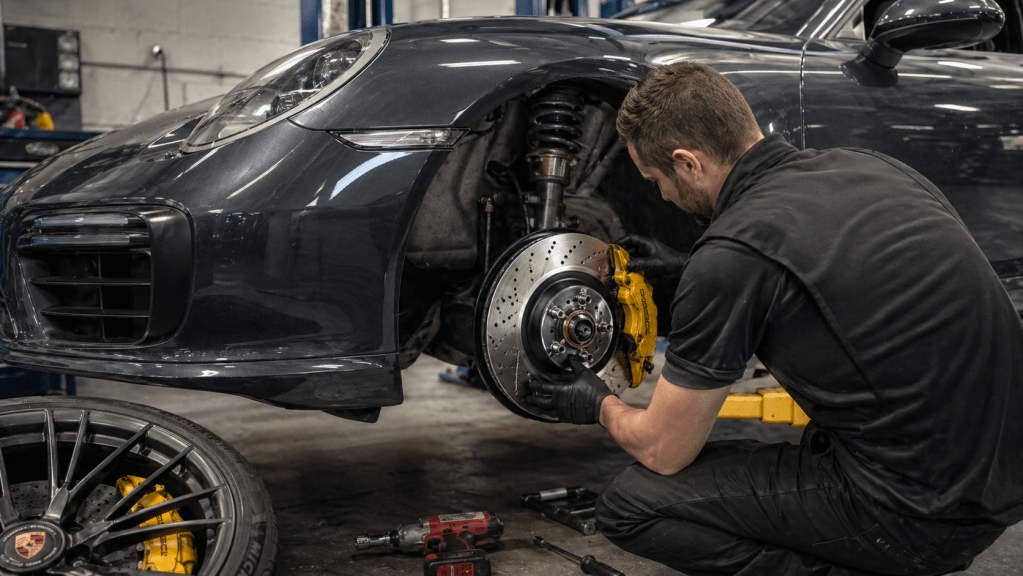
Brake rotors are round metal discs mounted to the wheel hub. When you press the brake pedal, hydraulic pressure pushes the brake pads against the rotor. The friction between the pads and rotors converts motion into heat, slowing the car.
That heat is normal. The problem starts when heat, wear, rust, poor pad condition, or aggressive driving damages the rotor surface. Over time, rotors can become thinner, uneven, grooved, glazed, cracked, or warped.
This is why when to replace brake rotors is not only a mileage question. A highway commuter, a city driver, a truck owner, and a weekend track-day enthusiast can all see very different brake disc replacement intervals.
If you are also comparing brake pad wear, TorqueBrief’s guide on when to replace brake pads is the best internal next read because pads and rotors should always be inspected together.
The best way to understand when to replace brake rotors is to recognize the symptoms early. For most drivers, when to replace brake rotors becomes clear when braking feels different than it did before. Some signs mean the rotors may only need resurfacing. Others mean replacement is the safer choice.
A pulsing brake pedal is one of the most common signs of bad brake rotors. It often points to thickness variation, uneven pad deposits, or rotor runout.
If the pedal pulses every time you brake from highway speed, schedule an inspection. A mechanic can measure rotor thickness, parallelism, and runout to decide whether resurfacing is possible or replacement is needed.
If the steering wheel shakes only when braking, the front rotors may be uneven or heat-damaged. If the whole car shudders through the seat or body, the issue may involve rear rotors, suspension parts, tires, or wheel hubs.
Either way, vibration is a clear reason to ask when to replace brake rotors instead of assuming the problem will disappear.
Grinding is serious. It can mean the brake pads are worn down and metal is contacting the rotor. It can also happen when rust, debris, or severe rotor damage affects the braking surface.
If you hear grinding, avoid unnecessary driving. Metal-to-metal braking can damage rotors quickly, increase stopping distance, and raise repair costs.
Light circular marks are normal. Deep grooves are not. If you can feel heavy ridges with a fingertip, the rotor surface may be too damaged for new pads to bed in correctly.
Deep scoring is one of the clearest visual clues for when to replace brake rotors, especially if the rotor is already near minimum thickness.
Rotors deal with heat every time you brake. But overheating can leave blue discoloration, hard spots, small surface cracks, or larger structural cracks.
A cracked rotor should be replaced. Heat-damaged rotors may also create vibration, noise, or inconsistent braking.
If your car takes longer to stop than it used to, do not guess. The cause could be worn brake pads, bad rotors, brake fluid issues, tire problems, or a hydraulic fault.
Still, worn brake rotors can reduce the effectiveness of new pads and make braking feel less consistent. This is a safety issue, not just a comfort issue.
A brake warning light does not automatically mean bad rotors. It may point to low brake fluid, ABS issues, pad wear sensors, parking brake status, or another fault.
However, if a warning light appears along with noise, vibration, pulling, or poor stopping, get the vehicle inspected. You can also use the NHTSA recall lookup to check whether your vehicle has an open safety recall related to the braking system.
Uneven brake pad wear can come from caliper slide issues, sticking calipers, poor hardware, contaminated parts, or rotor problems. If one pad is much thinner than the other, the rotor and caliper should be inspected together.
This is another reason when to replace brake rotors should be answered with measurements, not just a quick look through the wheel.
This is the most objective answer. Every rotor has a minimum thickness specification. If the rotor is too thin, it cannot absorb and manage heat properly.
If a rotor is at or below minimum thickness, replace it. If it would fall below the minimum after machining, replacement is also the right move.
| Symptom | Possible Cause | Recommended Action |
|---|---|---|
| Brake pedal pulsation | Rotor thickness variation, runout, uneven pad deposits | Inspect rotors; resurface or replace depending on measurements |
| Steering wheel vibration when braking | Front rotor issue, suspension wear, tire issue | Inspect front brakes and suspension |
| Grinding noise | Worn pads, rotor scoring, rust, metal contact | Stop unnecessary driving and schedule brake service |
| Deep grooves on rotor | Worn pads, debris, old rotor surface | Replace or resurface if still within spec |
| Blue spots or heat marks | Overheating, aggressive braking, towing, track use | Inspect for heat damage; replacement may be needed |
| Longer stopping distance | Pads, rotors, brake fluid, tires, or hydraulic issue | Have the entire brake system inspected |
| Car pulls while braking | Uneven braking force, caliper issue, pad/rotor imbalance | Inspect brakes, calipers, tires, and alignment |
| Brake warning light | Fluid level, ABS, sensor, parking brake, brake wear | Check manual and schedule diagnosis |
Many drivers ask when to replace brake rotors based on mileage. The honest answer is that mileage is only a starting point.
A gentle highway driver may get 60,000 miles or more from a set of rotors. A city driver, rideshare driver, mountain commuter, towing vehicle, heavy SUV, or aggressive driver can wear or damage rotors much sooner. AutoZone notes that gentle highway use can allow rotors to last around 60,000 miles, while harsh stop-and-go driving can cause warping much earlier.
A practical U.S. mileage guide for when to replace brake rotors looks like this:
| Driving Style | Common Rotor Life Expectation |
|---|---|
| Mostly highway driving | 60,000+ miles possible |
| Mixed city/highway driving | Often around 40,000–70,000 miles |
| Heavy city traffic | Sometimes closer to 25,000–50,000 miles |
| Towing, hills, heavy SUV use | Can be shorter than average |
| Track days or spirited driving | Inspect much more often |
This does not mean every rotor must be replaced at a fixed number. The real answer to when to replace brake rotors is based on thickness, surface condition, symptoms, and how the vehicle is used.
If you drive a performance car, modify your vehicle, or plan occasional track use, read TorqueBrief’s guide to affordable track day cars. It explains why brakes, tires, and fluids usually matter more than horsepower for real driving confidence.
One of the most common brake service questions is rotor resurfacing vs replacement, because many drivers are unsure when to replace brake rotors instead of machining them. Resurfacing means machining a thin layer from the rotor face to create a smoother, flatter surface. Replacement means installing new rotors.
Resurfacing may be reasonable when:
RepairPal explains that mechanics use measurements such as thickness, parallelism, and runout to decide whether a rotor can be resurfaced or must be replaced.

Replacement is usually better when:
AutoZone also notes that a rotor should not be resurfaced if it is already too thin or would become too thin after machining.
So, when to replace brake rotors instead of resurfacing them? Replace them when safety margin, surface condition, or cost makes resurfacing a poor choice.
Brake pads and rotors are a matched wear system, so when to replace brake rotors is closely connected to pad condition. The pads create friction against the rotors, and both parts affect braking feel, noise, heat, and stopping consistency.
If you install new pads on badly grooved rotors, the new pads may wear unevenly or fail to bed in correctly. If you install new rotors but reuse worn pads, the old pad surface can damage the new rotor.
That is why many shops recommend replacing pads and rotors together on the same axle. At minimum, both sides of the axle should be serviced evenly. Replacing only one front rotor or one rear rotor can create inconsistent braking. AutoZone also recommends replacing rotors and brake pads on both sides of the vehicle at the same time for balanced braking.
If you are building or buying an enthusiast car, this matters even more. TorqueBrief’s guides to best project cars for beginners and best cars to mod under $10,000 are useful because any project car budget should include brake maintenance before power upgrades.
Ignoring worn brake rotors can turn a simple brake service into a safety and repair problem, which is why understanding when to replace brake rotors matters.
The main risks include:
The Car Care Council warns that putting off needed brake repairs and letting brakes reach metal-to-metal contact can be potentially dangerous and lead to a more costly repair bill.
This is why when to replace brake rotors should never be treated as an optional cosmetic decision. Rotors are part of the system that helps you stop the vehicle safely.
Use this checklist before your next service appointment if you are unsure when to replace brake rotors.
You should schedule a brake inspection if:
Ask the shop these questions:
This checklist makes when to replace brake rotors much easier to decide because it focuses on evidence, not guesswork.
You cannot make rotors last forever, but smart habits can delay when to replace brake rotors.
If you enjoy performance driving, remember that faster cars need better maintenance. TorqueBrief’s cheap sports cars guide is a good reminder that affordable fun can become expensive fast if brakes, tires, and fluids are ignored.
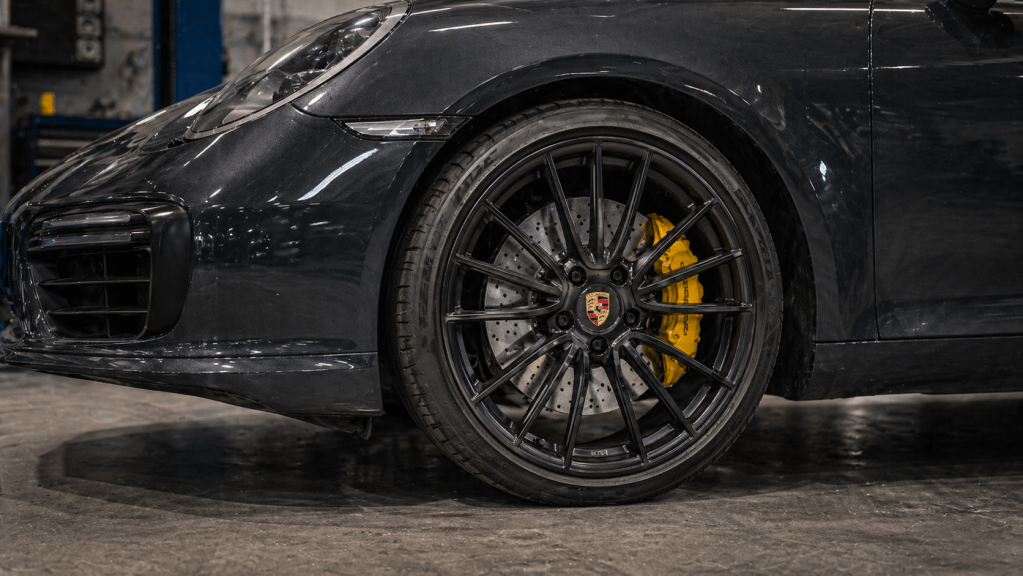
You should replace brake rotors when they are below minimum thickness, cracked, deeply scored, heat-damaged, causing vibration, or unable to be resurfaced safely. The best answer combines symptoms, measurements, and professional inspection.
Common signs of bad brake rotors include brake pedal pulsation, steering wheel vibration, grinding noise, deep grooves, blue heat marks, longer stopping distance, and uneven brake pad wear. If you notice these symptoms, schedule a brake inspection instead of guessing when to replace brake rotors.
Brake rotors often last longer than brake pads, but lifespan depends heavily on driving style, vehicle weight, terrain, pad material, and maintenance. Many drivers see rotor life somewhere around 40,000–70,000 miles, but city driving, towing, hills, and aggressive braking can shorten that.
Yes, but only if you already know when to replace brake rotors and the rotors are smooth, above minimum thickness, not cracked, not badly grooved, and not causing vibration. If the rotor surface is poor, new pads may wear unevenly or make noise.
Rotor resurfacing can be a good option if the rotor is thick enough, lightly worn, and free from serious damage. Replacement is better if the rotor is too thin, cracked, heavily scored, heat-damaged, or close in cost to resurfacing.
Yes. Brake rotors should usually be serviced in pairs on the same axle. Replace or resurface both front rotors together or both rear rotors together to maintain balanced braking.
Yes. Bad rotors can shorten pad life, create uneven pad wear, cause noise, and prevent proper bedding. That is why brake pads and rotors should be inspected as a system.
It depends on the severity, but driving with worn brake rotors is not something to ignore. If you have grinding, vibration, cracks, longer stopping distance, or a brake warning light, get the vehicle inspected as soon as possible.
The clearest answer to when to replace brake rotors is this: replace them when measurements, symptoms, or visible damage show they can no longer provide a safe, smooth braking surface.
Do not rely on mileage alone. A rotor can look fine at 50,000 miles and still measure below spec, while another may last longer because the car is driven gently. The smart move is to inspect pads and rotors together, measure thickness, check for runout, and fix issues before they become dangerous.
If your car shakes when braking, grinds, pulls, takes longer to stop, or has deeply grooved rotors, schedule a brake inspection. Good brake maintenance protects your pads, your rotors, your wallet, and most importantly, everyone in the vehicle.