
Inscreva-se na Newsletter
Digite seu endereço de e-mail abaixo e inscreva-se na nossa newsletter.
Documentando a paixão por carros

If you are searching for the most reliable car brands, you probably want more than a generic list. You want a car that starts every morning, holds its value, keeps repair bills under control, and still feels like a smart buy after years of ownership.
The honest answer is that the most reliable car brands are usually the ones with proven engines, conservative engineering, strong dealer support, reasonable maintenance costs, and models that have already been tested in the real world. Brand reputation matters, but the specific model, model year, powertrain, maintenance history, and previous ownership matter just as much.
In this guide, we will break down the most reliable car brands for U.S. buyers, explain why Japanese brands often dominate reliability rankings, show where Hyundai, Kia, Buick, Porsche, and BMW fit, and give you a practical checklist before buying a new or used car.
A reliable car brand is not just a brand that rarely breaks. True reliability is the full ownership experience.
The most reliable car brands usually perform well in five areas:
A reliable brand gives you better odds, but it does not replace research on the exact vehicle you plan to buy.
Before purchasing, check recall history, review fuel economy data, and follow a proper used car buying checklist if you are shopping pre-owned.
Below is a practical ranking of the most reliable car brands for American drivers. It considers durability, maintenance costs, resale value, model consistency, and real-world practicality.
| Rank | Brand | Best For | Watch Out For |
|---|---|---|---|
| 1 | Toyota | Long-term ownership, resale value, hybrids | First-year redesigns |
| 2 | Lexus | Premium reliability, comfort, resale | Higher luxury repair costs |
| 3 | Honda | Daily drivers, families, commuters | CVT/service history by model |
| 4 | Acura | Honda-based luxury, used value | Some model-specific issues |
| 5 | Mazda | Driving feel, simple ownership | Smaller dealer network in some areas |
| 6 | Subaru | AWD, safety, outdoor lifestyles | CVT care and maintenance history |
| 7 | Hyundai | Value, warranty, improving quality | Model-year differences |
| 8 | Kia | Warranty, features, improved reliability | Engine history on older models |
| 9 | Buick | Comfortable mainstream reliability | Limited lineup |
| 10 | Porsche/BMW | Premium performance with strong examples | Higher maintenance costs |
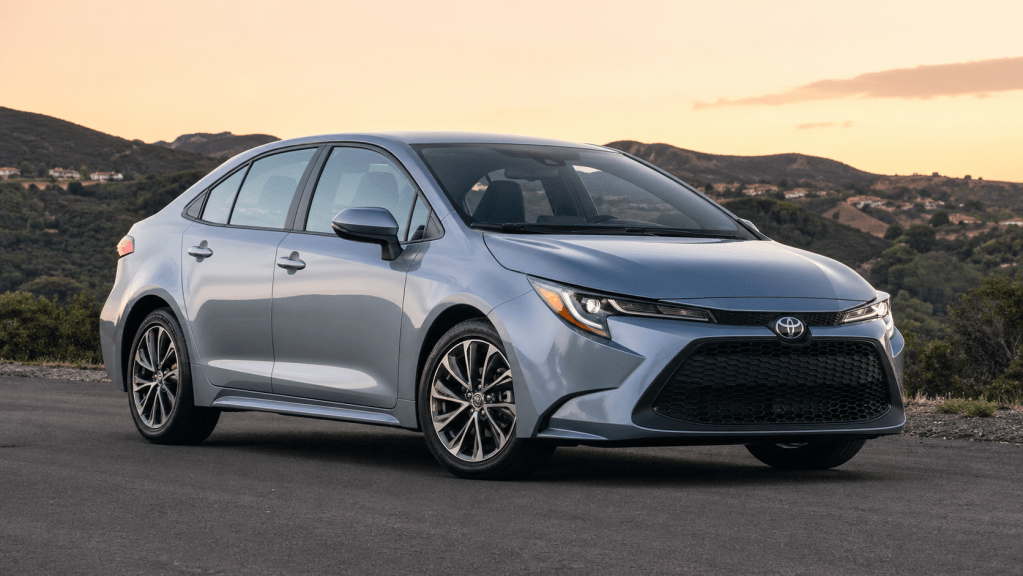
Toyota is usually the first brand people mention when discussing the most reliable car brands, and for good reason. The brand has built its reputation on conservative engineering, proven drivetrains, strong resale value, and vehicles that can survive years of daily use with basic maintenance.
Models like the Corolla, Camry, RAV4, Highlander, Tacoma, 4Runner, Prius, and Sienna are common choices for buyers who want low-drama ownership. Toyota hybrids are especially strong because the brand has decades of real-world hybrid experience.
Toyota is not perfect. New generations can still have teething issues, and high-demand models often cost more used than competitors. But if your priority is buying a car you can keep for 10 years or more, Toyota belongs at the top of any most reliable car brands list.
Strong Toyota picks include the Corolla, Camry, RAV4, Highlander, Prius, Tacoma, 4Runner, and Sienna.
Lexus is Toyota’s luxury division, and that connection is a major reason it ranks among the most reliable car brands. Lexus models often share Toyota’s engineering philosophy, parts knowledge, and long-term durability, but add more comfort, refinement, and premium interiors.
For U.S. buyers who want luxury without jumping into unpredictable repair bills, Lexus is one of the smartest choices. The ES, RX, NX, GX, and certain IS models have strong reputations when properly maintained.
The tradeoff is cost. Tires, brakes, dealer service, and luxury-specific components can be more expensive than mainstream Toyota parts. Still, Lexus remains one of the best answers for reliable luxury ownership.
Strong Lexus picks include the ES, RX, NX, GX, IS, and UX.
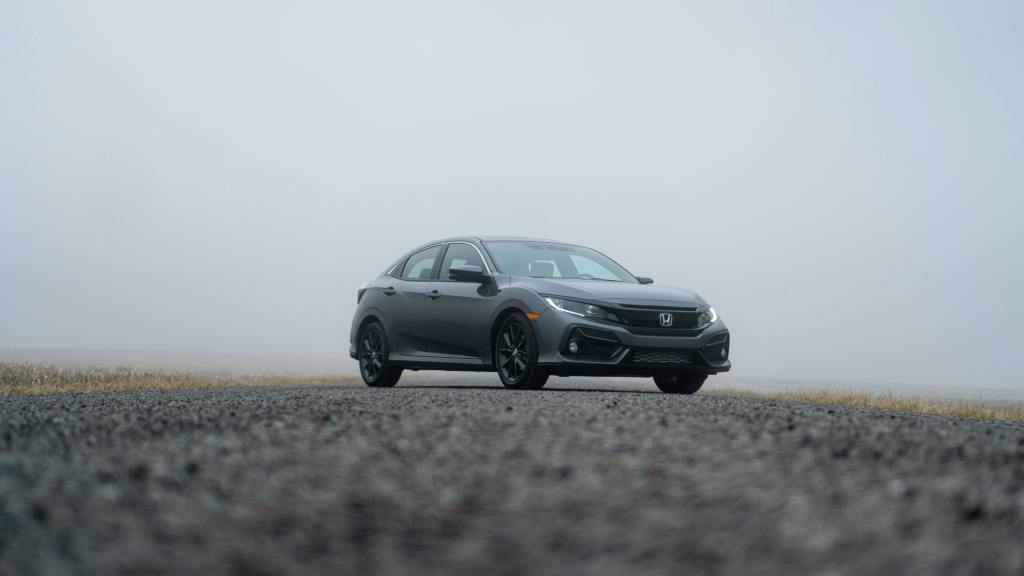
Honda is another obvious name among the most reliable car brands because it combines durability with practicality. The Civic, Accord, CR-V, HR-V, Pilot, and Odyssey are all relevant U.S. examples.
Honda’s strength is balance. A Civic or Accord can be efficient, fun enough to drive, affordable to maintain, and easy to resell. The CR-V is one of the most logical compact SUVs for families and commuters. The Pilot and Odyssey make sense for larger households that want usability without luxury-brand costs.
The key is checking the specific model year and powertrain. Some Honda models use CVTs, turbocharged engines, or transmission designs that deserve careful maintenance records. A well-maintained Honda is still one of the safest used-car decisions, but neglect can erase the brand advantage.
Acura deserves attention because it gives buyers access to Honda-related engineering with more comfort and stronger equipment. That makes Acura one of the most reliable car brands for used luxury shoppers who do not want German-level repair costs.
Models like the TLX, RDX, MDX, Integra, and older TSX or RSX models can be smart buys when the service history is clean.
The warning is simple: do not buy just because the badge says Acura. Check transmission history, timing belt requirements on certain V6 models, oil changes, tires, brakes, and suspension condition.
Mazda has become one of the most reliable car brands by keeping many of its vehicles relatively simple, engaging, and well-built. The brand also stands out because its cars often feel better to drive than typical economy cars.
The Mazda3, CX-5, CX-30, CX-50, and MX-5 Miata are good examples. Many models offer a near-premium feel without luxury-brand complexity.
Mazda is a strong choice for drivers who want reliability but do not want a boring car. The MX-5 Miata is especially beloved by enthusiasts because it is simple, lightweight, and durable. For more enthusiast-focused ownership.
The only drawback is that Mazda’s dealer network can be smaller in some regions than Toyota, Honda, or Hyundai.
Subaru earns a place among the most reliable car brands because it offers something many competitors do not: standard or widely available all-wheel drive, strong safety appeal, and practical wagons/SUVs that fit outdoor lifestyles.
The Crosstrek, Forester, Outback, Impreza, and Legacy are popular in snowy states and mountain areas where all-weather confidence matters.
However, Subaru reliability depends heavily on maintenance. Oil changes, CVT service, tire matching, cooling system care, and previous ownership matter. Older Subarus also have well-known model-specific issues, so do not skip a pre-purchase inspection.

Hyundai has improved significantly over the last two decades, which is why it now appears in many conversations about the most reliable car brands. The brand offers modern features, strong warranties, competitive pricing, and a growing lineup of hybrids, sedans, and SUVs.
The Elantra, Sonata, Tucson, Santa Fe, Palisade, Kona, and Ioniq models appeal to buyers who want value without paying Toyota or Honda used-car premiums.
The important detail is model-year research. Some older Hyundai engines have had reliability concerns, while newer models show clear improvement. When buying used, check recall history, engine service records, warranty status, and whether major campaigns were completed.
Kia is closely related to Hyundai, and it has also become more competitive among the most reliable car brands. The brand has moved far beyond its old budget-only image and now offers attractive designs, long warranties, and strong feature content.
The Forte, K5, Sportage, Sorento, Telluride, Carnival, and EV/hybrid options make Kia appealing to families and commuters.
Like Hyundai, Kia requires model-year research. Some older vehicles had engine and theft-related issues, so used buyers should confirm software updates, recalls, insurance costs, and maintenance records.
Buick may not be the flashiest name on a most reliable car brands list, but it deserves respect. The brand often performs well in dependability conversations because its vehicles are comfortable, relatively conventional, and aimed at buyers who usually maintain them carefully.
Buick’s current U.S. lineup focuses mainly on crossovers, but models like the Encore GX, Envision, and Enclave can make sense for buyers who want comfort and an easy dealership experience.
Buick is best for drivers who care more about comfort and ownership ease than sporty handling.
Porsche and BMW can appear surprisingly high in certain reliability and owner satisfaction conversations, but they need context. They can build excellent vehicles, and some models age very well when properly maintained. However, they are not cheap cars to neglect.
Porsche is often the stronger premium reliability pick, especially with models like the 911, Cayman, Boxster, Macan, and Cayenne when service history is excellent. BMW can also be durable when buyers choose proven engines.
The reason these brands are not higher on this most reliable car brands guide is cost. A reliable Porsche or BMW can still require expensive tires, brakes, fluids, diagnostics, and specialty labor.
If you want premium performance, read TorqueBrief’s guides on what an ECU tune is, what a downpipe does, and Stage 1 vs Stage 2 tuning before modifying anything.
Several brands have improved their quality, technology, and ownership experience. Hyundai and Kia are the clearest examples, especially because they now offer competitive warranties, better interiors, and stronger product lineups.
Mazda has also become more respected by buyers who want a mix of dependability and driving enjoyment. Buick continues to perform well because it focuses on comfort and conventional ownership rather than chasing every trend.
That said, improvement does not mean every vehicle is a safe buy. The most reliable car brands are not immune to bad model years, recalls, software bugs, or poor maintenance. Always research the exact car.
Some brands can be reliable but still expensive to own. This is where many buyers get confused.
A BMW may not break constantly, but when it does need work, parts and labor can be expensive. A Porsche can be impressively durable, but tires, brakes, fluids, and scheduled service are not budget items. Audi, Mercedes-Benz, Land Rover, Volvo, and some premium EV brands can also become costly outside warranty.
This does not mean you should avoid them automatically. It means you should separate reliability from affordability. The most reliable car brands for your budget are the ones you can maintain correctly, not just the ones with strong reputations.
For families, Toyota, Honda, Lexus, Subaru, Hyundai, Kia, and Buick are the safest starting points. Look at the Toyota Highlander, Toyota Sienna, Honda CR-V, Honda Pilot, Subaru Outback, Subaru Forester, Hyundai Palisade, Kia Telluride, Lexus RX, and Buick Enclave.
Students usually need low ownership cost more than luxury. Toyota, Honda, Mazda, Hyundai, and Kia are strong choices. Look for a Corolla, Civic, Mazda3, Elantra, Forte, Camry, Accord, or used Prius.
For long commutes, Toyota, Lexus, Honda, Mazda, and Hyundai are excellent. Prioritize fuel economy, seat comfort, cabin noise, safety tech, and maintenance intervals.
Good commuter choices include the Camry Hybrid, Corolla Hybrid, Accord, Civic, Lexus ES, Mazda3, Sonata Hybrid, and Prius.
Toyota, Lexus, Honda, Subaru, and Porsche are often strong resale-value picks. Resale value lowers real ownership cost when you sell or trade the car.
Buying new gives you warranty protection, known history, and access to the latest safety technology. Buying used can save money, but only if you avoid hidden problems.
For new cars, the most reliable car brands are usually Toyota, Lexus, Honda, Mazda, Subaru, Hyundai, Kia, and Buick. For used cars, the same brands still make sense, but condition becomes more important than the badge.
A used Toyota with poor maintenance can be worse than a well-maintained Mazda or Buick. A used Lexus with no service records can be riskier than a documented Honda. When shopping used, buy the best history, not just the best logo.
Use this checklist before buying any used vehicle:
This step matters because the most reliable car brands can still produce bad individual cars. Reliability is about odds, not guarantees.
The most reliable car brands for U.S. drivers are Toyota, Lexus, Honda, Acura, Mazda, Subaru, Hyundai, Kia, Buick, and carefully selected Porsche or BMW models.
If you want the safest overall answer, start with Toyota or Lexus. If you want practical daily reliability, Honda and Mazda are excellent. If you need all-weather confidence, Subaru deserves a close look. If you want value and warranty coverage, Hyundai and Kia are much better than they used to be. If you want quiet comfort, Buick is underrated. If you want premium performance, Porsche and BMW can work, but only with the right budget and maintenance history.
The smartest move is simple: choose a reliable brand, then research the exact model and year before buying. That is how you turn a good reputation into a good ownership experience.
The most reliable car brands in the U.S. are usually Toyota, Lexus, Honda, Acura, Mazda, Subaru, Hyundai, Kia, Buick, and selected Porsche or BMW models when maintained correctly.
Toyota often has the edge for long-term durability and resale value, while Honda remains one of the best choices for practical daily drivers.
Lexus is one of the safest luxury choices because it combines premium comfort with Toyota-related engineering.
Yes, Hyundai and Kia have improved a lot, especially with newer models and strong warranty coverage. Used buyers should still research the exact model year and engine history.
Subaru can be very reliable, especially for AWD buyers, but maintenance history is critical.
Some German cars are reliable when properly maintained, but maintenance costs are usually higher. BMW and Porsche can work for the right owner.
Toyota, Lexus, Honda, Mazda, and Subaru are usually the safest used-car brands to start with, but condition and service history matter more than the badge.
Toyota, Honda, Subaru, Hyundai, Kia, Lexus, and Buick are strong family choices.
Toyota, Honda, Mazda, Hyundai, and Kia are strong student choices because they offer affordable models, good fuel economy, and manageable repair costs.
Check recalls, service records, common model problems, safety ratings, fuel economy, ownership costs, and get an independent inspection. Even the most reliable car brands require proper maintenance.