Inscreva-se na Newsletter
Digite seu endereço de e-mail abaixo e inscreva-se na nossa newsletter.
Documentando a paixão por carros
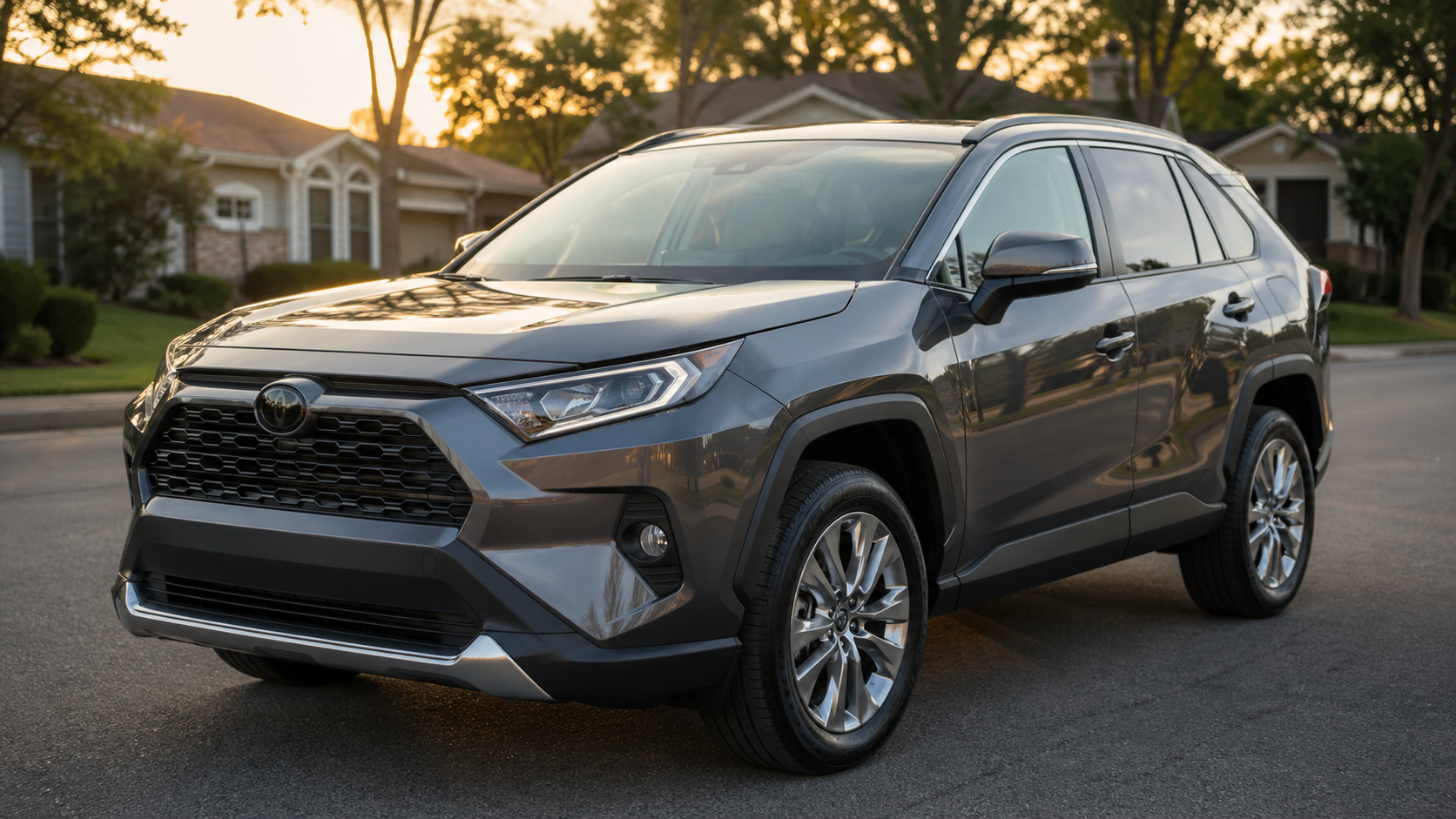
If you are asking paint protection film worth it, the honest answer is: yes, paint protection film can be worth it for many U.S. drivers, but it depends heavily on the vehicle, the coverage area, the installer, the film quality, and how long you plan to keep the car.
Paint protection film, often called PPF or clear bra, is not a cheap appearance upgrade. It is a physical protective layer designed to take abuse before your factory paint does. That makes it very different from wax, sealant, or ceramic coating. If your biggest concern is rock chips, highway debris, light scratches, bug damage, and preserving clean paint on a new or expensive vehicle, PPF is one of the strongest forms of car paint protection available.
But if your car is already heavily scratched, has failing clear coat, has old repainted panels, or is not worth much on the used market, PPF may not be the smartest place to spend money.
So, is paint protection film worth it? For new cars, sports cars, luxury vehicles, dark paint, highway commuters, and owners who care about resale presentation, usually yes. For cheap beaters, neglected paint, or short-term ownership, often no.
Paint protection film is a transparent urethane film applied over a vehicle’s painted panels. Most people know it as PPF, clear bra for cars, or car paint protection film.
The idea is simple: instead of letting rocks, sand, road debris, insects, salt, and small scratches hit the paint directly, the film absorbs much of that abuse first.
Modern PPF is usually much better than the old yellowing clear bras people remember from years ago. High-quality films from established manufacturers can be glossy, nearly invisible, self-healing under heat, and backed by multi-year warranties. For example, 3M paint protection film is backed by warranty coverage against defects such as yellowing, bubbling, and cracking when installed by a certified installer, while XPEL’s PPF warranty lists a limited 10-year warranty against yellowing, blistering, cracking, and delamination. LLumar also describes its paint protection film as self-healing and supported by factory-backed warranties.
In real-world terms, PPF is like a sacrificial skin for your paint. It does not make the car invincible, but it gives the paint a much better chance against the type of damage that happens during daily driving.
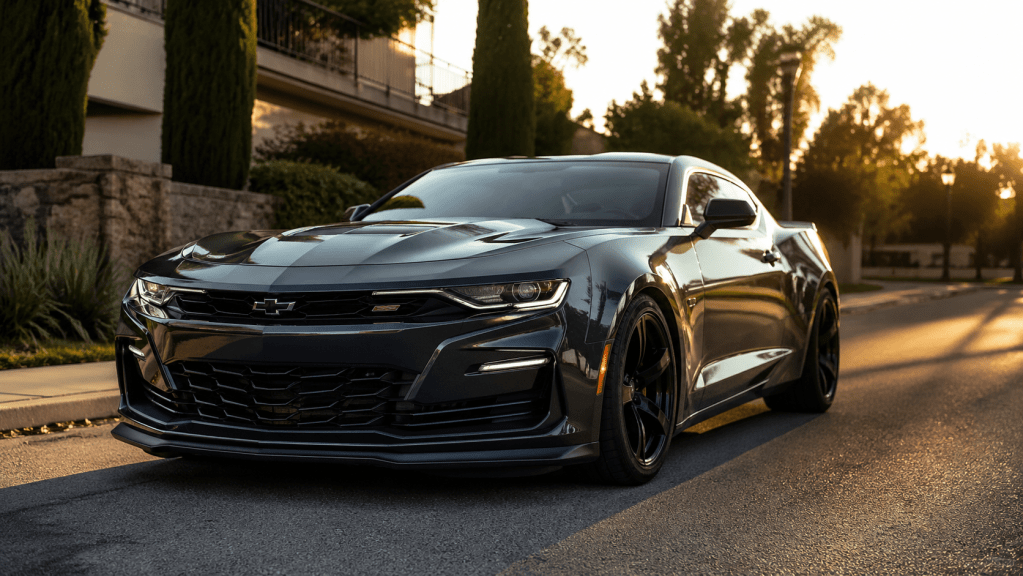
For the right car and the right owner, paint protection film worth it is an easy yes. But paint protection film worth it should always be judged by your driving conditions, not by hype.
PPF is especially valuable when the cost of repainting, repairing, or living with damaged paint is higher than the cost of protecting it early. That is why many owners install PPF immediately after buying a new car, especially on the front bumper, hood, mirrors, fenders, rocker panels, and other high-impact areas.
The real value of PPF is not only about keeping the car shiny. It is about reducing visible wear in the places that normally get punished first. Highway miles, construction zones, winter salt, gravel roads, track days, and low front bumpers can all make paint deteriorate faster.
That said, paint protection film worth it does not mean everyone should cover the entire car. For many U.S. drivers, a full front or partial front package gives the best balance between cost and protection.
Before deciding if paint protection film worth it applies to your car, you need to understand both sides.
The biggest benefit is rock chip protection. Ceramic coating can make a car easier to wash, but it cannot absorb physical impact like PPF can. If small stones are hitting the bumper and hood at highway speed, PPF is the better tool.
Another major benefit is scratch resistance. PPF can help protect against light scratches, minor scuffs, fingernail marks around door cups, and small abrasions. Many premium films also have self-healing properties, which means light swirl marks or surface scratches can soften or disappear with heat.
PPF also helps preserve original paint. Factory paint matters, especially on newer cars, performance cars, luxury vehicles, and enthusiast models. A repainted bumper or hood may look fine, but original clean paint is often more desirable when selling or trading the vehicle.
PPF can also reduce maintenance stress. You still need to wash the car correctly, but you do not have to panic every time bugs, road grime, or small debris hit the front end.
The biggest downside is cost. Professional paint protection film cost in the U.S. can easily run from several hundred dollars for a small partial package to several thousand dollars for full-body coverage.
The second downside is installation quality. A great film installed poorly can still look bad. Edges can lift, trapped dirt can show, seams can be obvious, and stretch marks can ruin the finish. PPF installation is skilled labor, not just “sticking plastic on paint.”
Another downside is that PPF is not permanent. Even premium films age. They can stain, lift, collect dirt on edges, or need replacement after years of exposure. Warranty coverage helps, but it does not mean the film will look brand-new forever.
PPF also cannot fix bad paint underneath. If the car already has oxidation, peeling clear coat, deep scratches, rust, or poor bodywork, PPF will not solve those problems. It may even make them more noticeable.
Cost is usually the main reason people ask if paint protection film worth it. From a pure budget perspective, paint protection film worth it becomes easier to justify as the vehicle value, paint quality, and ownership timeline increase.
PPF pricing varies by vehicle size, panel complexity, film brand, installer reputation, region, pattern quality, edge wrapping, paint condition, and whether the installer uses pre-cut templates or bulk installation.
A realistic U.S. pricing range looks like this:
| PPF Coverage | Typical U.S. Cost Range | Best For |
|---|---|---|
| Door cups / door edges | $100–$300+ | Basic scratch prevention |
| Partial front | $600–$1,500 | Budget protection for bumper, mirrors, partial hood/fenders |
| Full front | $1,500–$3,500 | Best value for most daily drivers and highway cars |
| High-impact package | $2,000–$4,500 | Front end plus rockers, A-pillars, rear impact zones |
| Full car PPF | $5,000–$8,000+ | Luxury cars, sports cars, exotics, long-term ownership |
Several current U.S. pricing guides place partial front PPF around the $600 to $1,500 range, full front coverage around $1,500 to $3,500, and full car installations commonly in the $5,000 to $8,000+ range, depending on the vehicle and installer.
This is why paint protection film worth it depends on the math. Spending $2,500 on full front PPF for a $90,000 sports car makes more sense than spending the same amount on a $6,000 commuter with tired paint.
The PPF vs ceramic coating debate is one of the most important parts of this decision. Many owners ask paint protection film worth it because they are really trying to choose between impact protection and easier cleaning.
PPF and ceramic coating are both forms of car paint protection, but they solve different problems.
Paint protection film is thicker and better against physical damage. It protects against rock chips, road debris, light scratches, scuffs, and impact zones. Ceramic coating is thinner and better for gloss, slickness, hydrophobic behavior, chemical resistance, UV exposure, and easier washing.
In simple terms:
If you are comparing both options, TorqueBrief’s guide on is ceramic coating worth it explains why ceramic coating is useful for gloss and easier maintenance, but not a replacement for rock chip protection. For cosmetic changes, the wrap vs paint guide also helps explain when a surface solution makes sense versus when paint correction or repainting is the better route. TorqueBrief’s ceramic coating guide specifically separates PPF as the stronger choice for front bumpers, hoods, mirrors, rocker panels, and other high-impact areas.
| Feature | Paint Protection Film | Ceramic Coating |
|---|---|---|
| Rock chip protection | Excellent | Poor |
| Light scratch resistance | Very good | Limited |
| Gloss improvement | Good to excellent | Excellent |
| Hydrophobic behavior | Good, depending on film | Excellent |
| Ease of washing | Good | Excellent |
| Cost | Higher | Lower |
| Best use | Impact zones and expensive paint | Gloss, slickness, easier maintenance |
| Can they be combined? | Yes | Yes |
If your main fear is highway rock chips, paint protection film worth it is usually more relevant than ceramic coating. If your main goal is shine and easier cleaning, ceramic coating may be the better value.
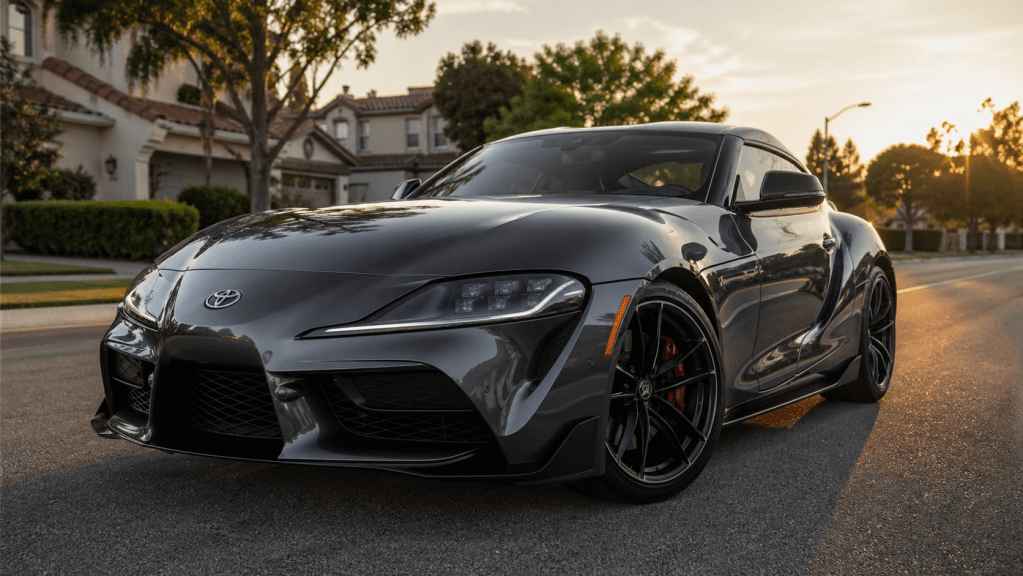
Paint protection film worth it usually makes the most sense in these situations:
The best time to install PPF is when the paint is still clean, original, and mostly defect-free. Once chips and deep scratches happen, PPF can only cover them, not erase them.
Sports cars, luxury sedans, performance SUVs, and premium EVs often have expensive bumpers, low front ends, wide tires, and paint that owners want to preserve. In this case, paint protection film cost is easier to justify.
Highway driving is one of the strongest arguments for PPF. The front bumper, hood, mirrors, A-pillars, and rocker panels take constant abuse from debris.
PPF will not guarantee higher resale value, but clean original paint can make a vehicle easier to present, photograph, and negotiate. Buyers notice rock chips, repainted panels, and rough front ends.
Black, dark blue, dark gray, and deep red paint can show chips and scratches more easily. PPF helps reduce the visible damage that makes dark paint look older.
If you will keep the car for five to ten years, the value of PPF becomes stronger. The longer the ownership period, the more time the film has to protect the paint.
There are also cases where paint protection film worth it is probably no.
If the paint is chipped, oxidized, peeling, cracked, or poorly repainted, PPF should not be the first step. Paint correction, repair, or repainting may come first.
If the PPF package costs a large percentage of the car’s value, it may not be rational. A $2,000 PPF install on a very cheap car only makes sense if you personally value the car enough to justify it.
Some owners just want transportation. If rock chips and scratches do not bother you, PPF may feel like wasted money.
If you plan to sell the car in a few months, you may not own it long enough to benefit from PPF.
Cheap PPF can become expensive if the install looks bad, damages paint during removal, lifts early, or needs to be redone. Bad installation is one of the biggest reasons people regret PPF.
You do not need full-body PPF for every car. In fact, paint protection film worth it often means choosing the right panels, not automatically choosing the most expensive package.
The best areas to protect are:
For most daily drivers, the full front package is the sweet spot. That is where paint protection film worth it usually becomes the strongest value proposition. It protects the areas that take the most abuse without reaching full-car PPF pricing.
If you drive a performance car, track car, or low sports car, rocker panels and rear quarter impact zones may also be worth adding. Sticky tires can throw debris down the side of the car, especially on wider vehicles.
High-quality PPF can last several years when properly installed and maintained. This is another reason paint protection film worth it depends on whether you will keep the vehicle long enough to benefit from the protection.
Many premium products are backed by warranties around 5 to 10 years depending on brand, film line, installer requirements, and warranty terms. XPEL lists a limited 10-year warranty for paint protection film, while 3M lists warranty coverage on specific film products and emphasizes protection against defects such as yellowing, bubbling, and cracking.
However, the real lifespan depends on:
If you park outside in Arizona, drive through salted winter roads in the Midwest, or run constant highway miles, the film may age faster than a garage-kept weekend car in a mild climate.
That does not make PPF bad. It just means paint protection film worth it should be judged as a long-term protection product, not a permanent one.
PPF is durable, but it still needs proper care.
Wash the car regularly with a safe car wash soap. Avoid aggressive scrubbing on film edges. Do not use harsh solvents unless the film manufacturer says they are safe. Remove bugs, bird droppings, and tar quickly. Avoid pressure washing too close to exposed edges. Use clean microfiber towels and good washing technique to reduce marring.
Some owners also apply ceramic coating over PPF. This can improve slickness, make the car easier to wash, and help reduce staining. It does not make PPF bulletproof, but it can make maintenance easier.
If you are budgeting for protection and appearance together, compare the cost of PPF with other surface upgrades in TorqueBrief’s car wrap cost guide. Wraps are mostly about changing appearance, while PPF is primarily about protecting paint.
Full car PPF is the premium option. For shoppers asking paint protection film worth it at the highest coverage level, the answer depends much more on vehicle value and owner expectations.
For most normal daily drivers, full car PPF is not necessary. A full front or high-impact package usually gives better value.
Full car PPF can make sense if:
For a normal commuter, full car PPF may be overkill. In that case, paint protection film worth it usually means protecting the front end, not wrapping every painted panel.
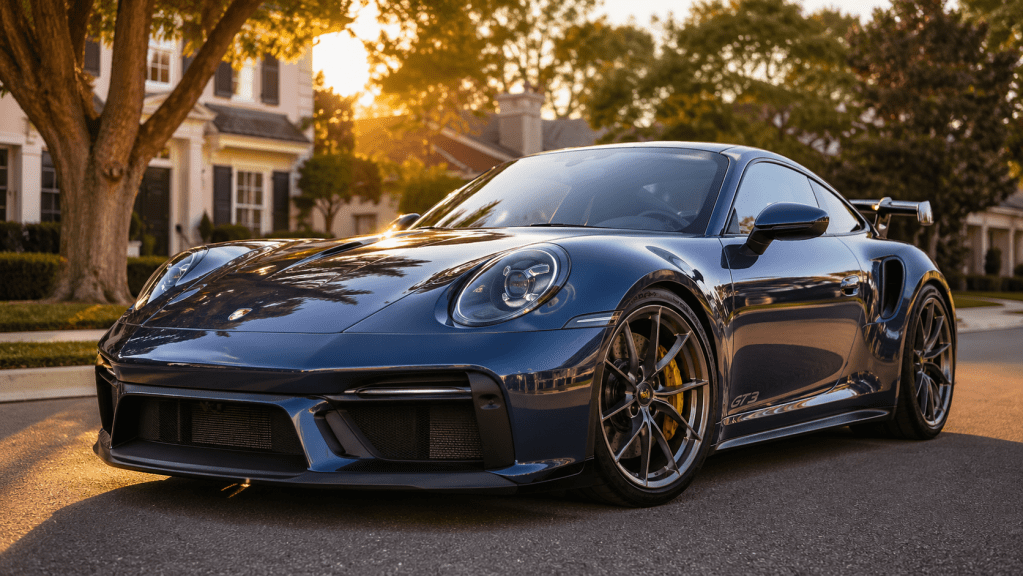
DIY PPF exists, but it is not easy. If you are asking paint protection film worth it because you want professional-looking results, installation quality is part of the investment.
Small areas like door cups, door edges, or luggage strips can be reasonable DIY projects for patient owners. Full bumpers, hoods, mirrors, and complex panels are much harder. Curves, stretching, contamination, alignment, and edge wrapping can quickly become frustrating.
Professional installation costs more because the installer is not only applying film. They are cleaning, decontaminating, prepping, aligning, stretching, trimming, wrapping, and finishing the material without damaging paint.
If the car is new, expensive, or important to you, professional installation is usually the safer choice.
Yes. Clear bra for cars is an older common term for paint protection film. It usually refers to clear film applied to the front of the vehicle, especially the bumper, hood, mirrors, and fenders.
Today, most professionals call it PPF, but the purpose is the same: protect vulnerable paint from road damage.
If you want paint protection film worth it to be true for your car, avoid these mistakes:
The biggest mistake is treating PPF like a universal answer. Paint protection film worth it for one owner may be overkill for another. It is a tool. It works extremely well when matched to the right car, owner, and use case.
So, is paint protection film worth it?
Yes, paint protection film is worth it if you own a new car, luxury car, sports car, performance vehicle, expensive truck, premium EV, dark-colored car, or highway-driven daily driver and you want serious protection against rock chips, light scratches, and road debris.
It is especially worth it on the front bumper, hood, mirrors, fenders, rocker panels, and other high-impact areas. For most U.S. drivers who care about their vehicle’s appearance, full front PPF is the best value.
But PPF is not worth it for every situation. If your car is already badly damaged, very low-value, poorly repainted, or you simply do not care about cosmetic wear, the money may be better spent on maintenance, tires, repairs, or a proper detail.
The simplest answer is this: paint protection film worth it when the paint is worth protecting before the damage happens.
Yes, paint protection film worth it usually applies strongly to new cars because the paint is still clean and original. Installing PPF early helps prevent chips and scratches before they happen.
Paint protection film cost in the U.S. commonly ranges from about $600 to $1,500 for partial front coverage, $1,500 to $3,500 for full front coverage, and $5,000 to $8,000+ for full car PPF, depending on the vehicle, installer, region, and film quality.
PPF is better for rock chip protection, light scratches, and physical impact. Ceramic coating is better for gloss, hydrophobic behavior, chemical resistance, and easier washing. Many owners use both.
Quality PPF can last several years, and many premium films carry 5- to 10-year warranty coverage depending on the brand and product line. Real lifespan depends on installation, climate, washing habits, mileage, and maintenance.
Properly installed and properly removed PPF should not damage healthy factory paint. Risk increases if the paint is already failing, poorly repainted, or if removal is done carelessly.
Full car PPF is worth it for expensive, exotic, luxury, collectible, or long-term enthusiast vehicles. For normal daily drivers, it may be more protection than necessary.
Full car PPF is worth it for expensive, exotic, luxury, collectible, or long-term enthusiast vehicles. For normal daily drivers, it may be more protection than necessary.
Yes, many owners ceramic coat over PPF to improve slickness, water behavior, and ease of washing. The PPF still provides impact protection, while the coating helps with maintenance.
The biggest downside is cost. The second biggest downside is that installation quality matters a lot. A poor install can make even good film look bad.
Sometimes. If the lease is expensive, the car has soft paint, or you drive many highway miles, PPF can help reduce visible wear. But if the lease is short and you are not worried about cosmetic charges, it may not be worth the cost.