
Inscreva-se na Newsletter
Digite seu endereço de e-mail abaixo e inscreva-se na nossa newsletter.
Documentando a paixão por carros
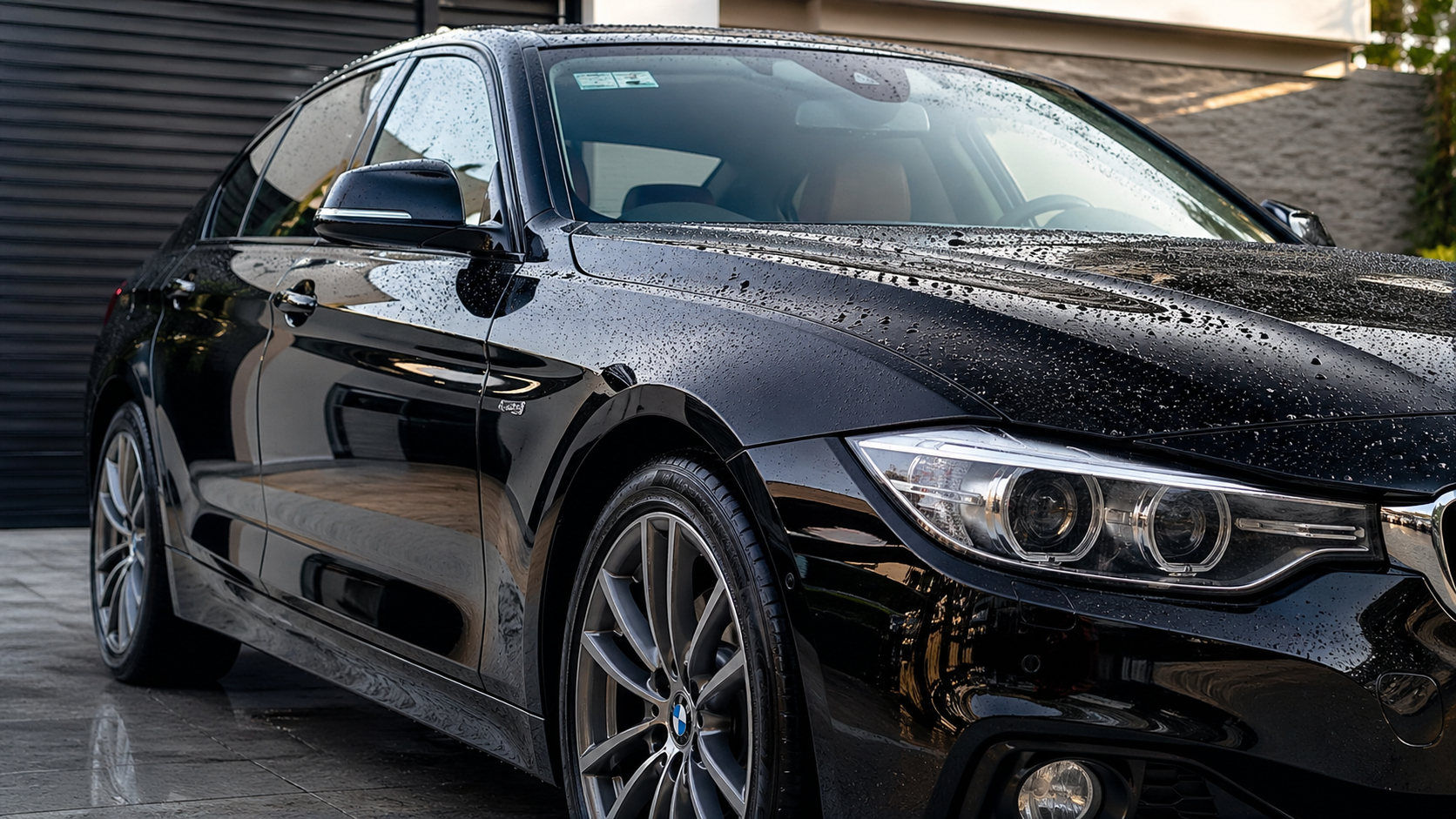
If you are asking is ceramic coating worth it, the honest answer is: yes, ceramic coating can be worth it for many U.S. drivers, but only if you understand what it actually does. It is not magic armor, it will not make your car scratch-proof, and it will not replace regular washing. But when installed correctly, ceramic coating for cars can protect paint, improve gloss, make washing easier, and help your vehicle look cleaner for longer.
For daily drivers, new cars, enthusiast cars, and vehicles exposed to sun, rain, road grime, bird droppings, and bug splatter, ceramic coating can be a smart form of car paint protection. For neglected cars, cheap beaters, or owners who never wash their vehicle, it may not be the best use of money.
The real question is not just is ceramic coating worth it. The better question is: is ceramic coating worth it for your car, your budget, your ownership plans, and your maintenance habits?
Ceramic coating is a liquid polymer applied to a vehicle’s exterior surfaces, most commonly the painted panels. After curing, it bonds to the clear coat and creates a thin protective layer over the paint.
Most automotive ceramic coatings use silica-based chemistry. That layer helps resist water, dirt, road grime, UV exposure, light chemical contamination, bird droppings, and bug residue. It also creates a hydrophobic coating effect, meaning water beads up and slides off more easily.
That is why many detailers recommend ceramic coating for cars that are driven often, parked outside, or owned by people who care about keeping the paint clean and glossy.
Still, ceramic coating is not the same thing as paint protection film, body armor, or repainting. It protects the surface from environmental contamination, but it does not stop rock chips, deep scratches, dents, or careless washing damage. J.D. Power notes that ceramic coating can be durable, but it does not make a vehicle’s paint impenetrable; stones can still chip paint, shopping carts can still dent panels, and harsh contaminants can still cause problems if ignored.
Ceramic coating works by bonding to the vehicle’s clear coat and creating a slicker, harder, more chemically resistant surface than bare paint or traditional wax.
In simple terms, the coating acts like a sacrificial layer. Instead of contaminants sitting directly on the clear coat, they land on the ceramic coating first. This helps reduce how strongly dirt, water, grime, and light contamination stick to the car.
That is why a coated car often feels easier to wash. Road grime does not cling as aggressively. Water beads more noticeably. Drying can be faster. The paint can look glossier because the coating increases surface slickness and visual depth.
However, ceramic coating works best when the paint underneath is properly prepared. If the paint has swirl marks, oxidation, water spots, or scratches, the coating will not erase them. In many cases, paint correction should be done before coating.
This is one of the biggest reasons professional ceramic coating costs more than many people expect. You are not just paying for the bottle of coating. You are paying for washing, decontamination, polishing, correction, prep, curing time, and installer skill.
For most owners who care about long-term appearance and easier maintenance, is ceramic coating worth it usually leans yes. It is especially valuable if you own a newer car, park outside, live in a sunny or harsh climate, drive often, or want stronger protection than wax.
Ceramic coating is worth it when you want:
Ceramic coating is not worth it when you expect:
So, is ceramic coating worth it for a daily driver? In many cases, yes. But it depends heavily on price, prep quality, product quality, and how well you maintain the car afterward.
Before spending money, you need a clear ceramic coating pros and cons breakdown.
The biggest benefit is easier maintenance. A coated car is usually easier to wash because dirt, water, and grime have a harder time sticking to the paint.
Ceramic coating also improves gloss. If the paint is corrected before application, the finish can look deeper, wetter, and cleaner.
Another major advantage is durability. Wax may last weeks or a few months, while ceramic coating can last months to years depending on the product and maintenance routine. Consumer Reports describes wax as a way to add shine and protection, but ceramic coating generally sits above wax when durability is the priority.
Ceramic coating also helps protect against UV exposure. AAA explains that prolonged UV exposure can fade paint and break down clear coat, and that ceramic coating or wax can add UV protection while improving resistance to dirt, grime, and bird droppings.
The biggest downside is cost. Professional ceramic coating cost in the U.S. can easily reach $800 to $2,000+ depending on the vehicle, paint condition, and coverage level. Autotrader reports that coating a small vehicle can cost around $800 to more than $1,000, while coating all exterior surfaces on a larger vehicle can range from roughly $1,350 to more than $2,000.
Another downside is that ceramic coating does not eliminate maintenance. You still need to wash the car correctly. You still need to remove bird droppings quickly. You still need to avoid harsh automatic brush washes if you care about swirl marks.
The coating can also highlight bad prep. If a detailer applies ceramic coating over scratches, oxidation, haze, or water spots, those defects can become sealed under the coating.
That is why is ceramic coating worth it depends heavily on who installs it and how the car is prepared.
Ceramic coating cost varies widely in the United States. The final price depends on vehicle size, paint condition, coating quality, installer reputation, number of layers, correction level, and whether glass, wheels, trim, or PPF are included.
A realistic range looks like this:
| Service Type | Typical U.S. Cost | Best For |
|---|---|---|
| DIY ceramic spray | $20–$60 | Budget maintenance and short-term gloss |
| DIY ceramic coating kit | $50–$200+ | Experienced DIY owners |
| Entry-level professional ceramic coating | $800–$1,200 | New or well-maintained cars |
| Professional coating with paint correction | $1,200–$2,500+ | Used cars, dark paint, swirl removal |
| Premium multi-year coating package | $2,000–$3,500+ | Enthusiast cars, luxury cars, long-term ownership |
If you are asking is ceramic coating worth it purely from a cost perspective, compare the price against how long you plan to keep the car. A $1,500 coating makes more sense on a vehicle you will keep for five years than on a car you plan to sell in six months.
The coating also makes more sense if you value your time. If ceramic coating reduces how often you need heavy detailing, polishing, waxing, or decontamination, the real value is not just shine. It is convenience.
One of the biggest decisions is professional ceramic coating vs DIY ceramic coating.
Professional ceramic coating is usually the better choice if the vehicle is valuable, new, dark-colored, luxury, performance-oriented, or already has visible paint defects.
A professional detailer can properly wash, chemically decontaminate, clay, polish, correct, prep, apply, level, and cure the coating. That process matters. Ceramic coating is only as good as the surface underneath.
Professional installation is more expensive, but it usually delivers better gloss, longer durability, cleaner application, and fewer mistakes.
Professional ceramic coating is usually best if:
DIY ceramic coating can be worth it for experienced owners who understand paint prep and application technique. However, it is not as simple as wiping on a quick wax.
The risk with DIY ceramic coating is uneven application, high spots, streaking, poor bonding, or locking in paint defects. Some consumer products are forgiving, but true coatings require patience, lighting, surface prep, and correct timing.
DIY ceramic coating is usually best if:
So, is ceramic coating worth it as a DIY project? Yes, for the right person. But if the car is expensive or the paint needs correction, professional installation is usually safer.
Ceramic coating vs wax is one of the most common comparisons.
Wax is cheaper, easier, and more beginner-friendly. It can add warmth, shine, and temporary protection. But wax does not last as long and usually does not offer the same level of chemical resistance, hydrophobic behavior, or durability.
Ceramic coating costs more upfront, but it can last much longer and reduce maintenance effort over time.
Wax makes sense if:
Ceramic coating makes sense if:
If the question is is ceramic coating worth it compared with wax, the answer is yes for long-term protection and convenience. But wax still makes sense for budget-focused owners and people who enjoy frequent detailing.
Ceramic coating vs PPF is a different conversation.
Paint protection film, also called PPF, is a physical film applied to the car. It is much thicker than ceramic coating and is designed to protect against rock chips, road debris, scratches, and impact damage.
Ceramic coating is thinner and better for gloss, hydrophobic behavior, UV resistance, chemical resistance, and easier washing.
That means PPF is better for physical impact. Ceramic coating is better for surface slickness and maintenance.
For front bumpers, hoods, mirrors, rocker panels, and high-impact areas, PPF is usually the stronger protection. For the rest of the car, ceramic coating can be a smarter value.
The best setup for many enthusiasts is PPF on high-impact areas and ceramic coating over the entire vehicle. This is expensive, but it gives a strong combination of rock chip protection and easy cleaning.
If you are also researching visual protection or cosmetic changes, TorqueBrief’s guide on wrap vs paint is useful because it explains when a surface solution makes sense versus when the car actually needs repair. You can also compare cosmetic upgrade budgets in the car wrap cost guide.
| Protection Type | Average Cost | Durability | Protection Level | Gloss | Maintenance | Best Use Case |
|---|---|---|---|---|---|---|
| Ceramic coating | $800–$2,500+ professional / $50–$200+ DIY | Months to years | Strong against UV, grime, water, light chemicals | Excellent | Wash carefully, use pH-neutral products | Daily drivers, new cars, long-term owners |
| Wax | $20–$100 DIY / more with detailing service | Weeks to a few months | Basic paint protection | Good to very good | Reapply often | Budget owners, weekend detailers |
| Paint sealant | $20–$150 DIY / more with service | A few months to about a year | Better longevity than wax, less than coating | Good | Moderate | Owners who want value without coating cost |
| PPF | $1,000–$7,000+ depending on coverage | Years | Best physical impact protection | Good to excellent | Wash carefully, inspect edges | Rock chips, high-impact areas, expensive cars |
This table shows why is ceramic coating worth it depends on what problem you are solving. If you want gloss and easier washing, ceramic coating is strong. If you want rock chip protection, PPF is the better answer.
Ceramic coating can last anywhere from a few months to several years. The real lifespan depends on product quality, paint prep, installation, climate, washing habits, storage, mileage, and maintenance.
A simple ceramic spray may last weeks or months. A consumer-grade DIY coating may last one to two years. A professional ceramic coating can last multiple years when applied correctly and maintained properly.
However, advertised durability is not guaranteed. A “five-year coating” does not mean the car will look freshly detailed for five years with no maintenance. It means the coating is designed to last that long under proper conditions.
The coating can wear faster if:
If you are asking is ceramic coating worth it because you want a maintenance-free car, the answer is no. If you want easier maintenance and longer-lasting protection, the answer is much more positive.
This is where many owners get disappointed. Ceramic coating has real benefits, but it also has clear limits.
Ceramic coating does not protect against:
This is why ceramic coating vs PPF matters. If your biggest fear is highway rock chips, ceramic coating is not enough. You need paint protection film on the impact zones.
If your biggest problem is dirt, UV exposure, gloss, washing effort, and light contamination, ceramic coating makes more sense.
This is false. Ceramic coating can help resist very light marring, but it cannot stop deep scratches or poor washing habits. A dirty towel, automatic brush wash, or careless drying process can still create swirl marks.
Also false. Ceramic coating makes washing easier, not unnecessary. Dirt, pollen, road salt, brake dust, and water minerals can still build up.
Ceramic coating does not fix paint. It locks in the current condition of the surface. If the paint has defects, they should be corrected before coating.
More layers can help in some systems, but prep quality matters more. A properly installed single-layer coating can outperform a poorly installed multi-layer package.
False. Ceramic coating and PPF solve different problems. Ceramic coating is about gloss, slickness, hydrophobic behavior, and environmental resistance. PPF is about physical impact protection.
For many daily drivers, is ceramic coating worth it is a very practical question. The car is exposed to sun, rain, dirt, road salt, bird droppings, bug splatter, parking lots, tree sap, and constant washing.
In that situation, ceramic coating can be worth it because it makes the car easier to clean and helps protect the finish from daily contamination.
It is especially useful if you:
AAA recommends proactive vehicle care because sun, rain, salt, and sand can cause long-term wear, and it specifically notes that ceramic coating or wax can add UV protection and resistance to dirt, grime, and bird droppings.
So for a daily driver, is ceramic coating worth it often comes down to convenience. If you wash your car regularly and care about its appearance, it can be a strong investment.
Ceramic coating is worth it when the car is in good condition, the owner cares about appearance, and the vehicle will be maintained properly.
It makes the most sense when:
This applies even more if you have already spent money on wheels, suspension, performance parts, or cosmetic upgrades. Just like deciding whether a mod is worth the money, ceramic coating should fit the overall value of the car. TorqueBrief uses the same practical logic in guides like is a cold air intake worth it and what is a downpipe: the right upgrade depends on goals, expectations, and real-world use.
Ceramic coating is not worth it for every car.
It may not make sense when:
For an older daily driver with faded paint and low resale value, a good wash, clay, polish, and wax may be a better budget decision.
For an enthusiast car, weekend car, or long-term daily driver, ceramic coating can make more sense.
That is the most honest way to answer is ceramic coating worth it: it is worth it when the paint is worth protecting.
Ceramic coating maintenance is not complicated, but it does matter.
To get the most life out of the coating:
J.D. Power recommends avoiding washing for the first week after application to allow curing and using pH-neutral shampoo, brush-free washing, and microfiber towels to help prevent swirls and water spots.
Maintenance is the difference between a coating that performs well for years and one that disappoints early.
Yes, ceramic coating is often worth it for a new car because the paint is usually in its best condition early in ownership.
However, “new” does not always mean perfect. New cars can still have dealer-installed swirl marks, transport contamination, water spots, or light defects. That is why a proper inspection and light paint correction may still be needed before coating.
For a new car, ceramic coating can help preserve the finish from the beginning. It is especially valuable if you plan to keep the vehicle long-term.
Ceramic coating can be worth it for an old car if the paint is still healthy or has been corrected properly.
If the paint is oxidized, peeling, cracked, or failing, ceramic coating is not the right fix. You may need paint correction, repainting, or bodywork first.
For older enthusiast cars with good paint, ceramic coating can absolutely make sense. For older neglected cars, it may be overkill.
This is similar to choosing project cars or budget enthusiast vehicles: the smarter investment depends on the starting condition. If you like that kind of decision-making, TorqueBrief’s guide to cheap sports cars follows the same practical approach.
So, is ceramic coating worth it?
Yes, ceramic coating is worth it if you want long-lasting gloss, easier washing, better hydrophobic performance, UV resistance, and stronger protection against light environmental contamination. It is especially worth it for new cars, daily drivers, enthusiast vehicles, dark paint, cars parked outside, and owners who plan to keep their vehicle for several years.
But ceramic coating is not worth it if you expect scratch-proof paint, rock chip protection, zero maintenance, or a cheap shortcut for damaged paint.
The smartest verdict is simple: is ceramic coating worth it depends on expectations. If you understand that ceramic coating is a premium maintenance and protection upgrade — not a force field — it can be one of the best paint protection options for cars in the U.S.
Yes, ceramic coating is worth it for many new cars because it protects the paint early, adds gloss, improves hydrophobic behavior, and makes washing easier. Just remember that even a new car may need light paint correction before coating.
Ceramic coating is worth it for an old car if the paint is still healthy or has been professionally corrected. If the clear coat is peeling, oxidized, or failing, ceramic coating will not fix the underlying problem.
Professional ceramic coating cost in the U.S. often starts around $800 for smaller vehicles and can exceed $2,000 depending on vehicle size, paint condition, correction needs, coating quality, and added surfaces like wheels, glass, and trim.
Ceramic coating can last from several months to several years. DIY products usually last less than professional ceramic coatings. Real durability depends on prep, product quality, installation, storage, climate, washing habits, and maintenance.
DIY ceramic coating can be worth it if you understand paint prep, have patience, and are working on a vehicle where you can accept some risk. For expensive cars or paint that needs correction, professional ceramic coating is usually the safer choice.
No, ceramic coating does not fully prevent scratches. It may help reduce very light marring, but it will not stop deep scratches, rock chips, bad washing technique, or physical impact damage.
Ceramic coating is better than wax for durability, hydrophobic behavior, chemical resistance, and long-term ease of maintenance. Wax is better for low cost, simple application, and owners who enjoy frequent detailing.
Ceramic coating is not better than PPF for rock chips or physical impact protection. PPF is better for impact zones like the front bumper, hood, and mirrors. Ceramic coating is better for gloss, slickness, easier washing, and environmental resistance.
Yes, but you should wait for the installer’s recommended curing period first. After that, use pH-neutral shampoo, clean microfiber towels, safe wash methods, and avoid automatic brush washes.
The biggest downside of ceramic coating is the upfront cost combined with unrealistic expectations. It can protect and enhance your paint, but it does not make the car scratch-proof, rock-chip-proof, or maintenance-free.