
Inscreva-se na Newsletter
Digite seu endereço de e-mail abaixo e inscreva-se na nossa newsletter.
Documentando a paixão por carros
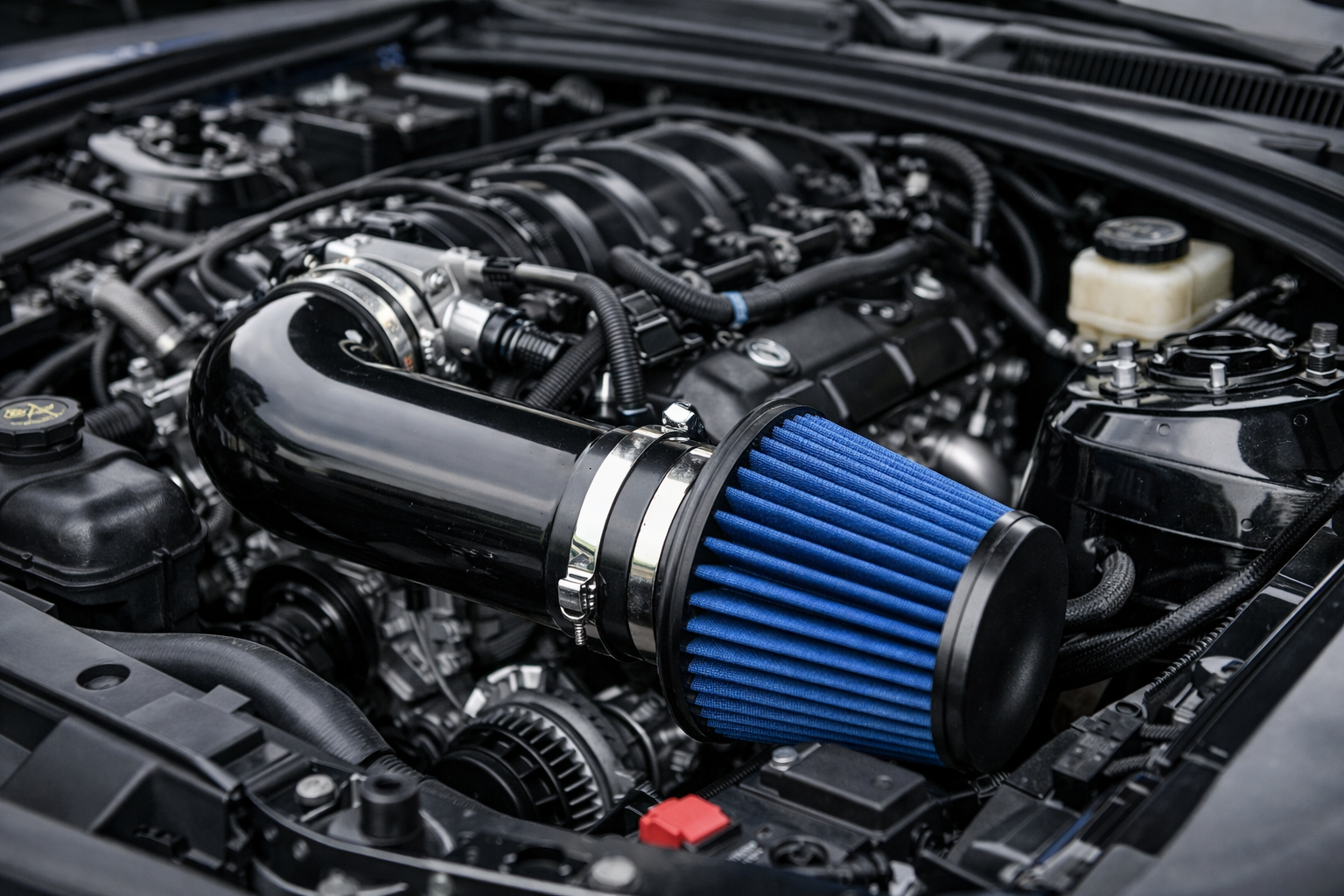
If you are searching is a cold air intake worth it, you probably want one honest answer before spending money on a mod that is often oversold. The truth is simple: sometimes yes, sometimes no. It depends on the car, the quality of the intake, your expectations, and whether you care more about sound, throttle feel, or measurable performance.
Before going deeper, it helps to read our companion guide on does a cold air intake add horsepower, because that article explains the power side of the conversation in more detail. This post is about the bigger ownership question: is a cold air intake worth it for the way you actually use your car?
The short answer is this: is a cold air intake worth it on a mostly stock daily driver? Usually only if you value sound, slightly sharper response, and a cleaner upgrade path for future mods. If you are expecting a dramatic horsepower jump on a stock car, you will probably be disappointed. That is consistent with how TorqueBrief’s existing intake content frames the topic: gains can be real, but they are often modest and highly dependent on the setup.
A well-designed intake can help by reducing restriction and feeding the engine cooler air. Colder air is denser, and denser air gives the engine better conditions for combustion. The general airflow logic is sound, and on boosted applications Garrett notes that higher air density supports higher air mass flow and, therefore, more fuel flow and more potential power for a given engine size.
To answer is a cold air intake worth it, you need to know what the part is actually changing. In most cases, a cold air intake changes the filter design, the path the air takes into the engine, and the source of that air. In the best-case scenario, it reduces restriction and pulls in cooler air from outside the hottest part of the engine bay. In the worst-case scenario, it mainly adds noise and pulls in hotter air than the factory system.
That is why a quality stock airbox can still be a very smart design. Factory systems are often built to balance airflow, filtration, heat shielding, drivability, emissions compliance, and long-term durability. A cheap aftermarket intake does not automatically beat that balance just because it looks more aggressive.
On turbo platforms, is a cold air intake worth it becomes a more interesting question. Turbo cars are more sensitive to airflow and intake temperature, so a better intake can make more sense than it does on many naturally aspirated setups. Garrett’s basic turbo guide explains that denser air and charge-air cooling help the engine draw in more air mass, which supports more fuel flow and more power. That is part of why turbo owners often notice better overall results when intake changes are part of a wider airflow plan.
Still, even on a turbo car, an intake usually works best as part of a package. If the car also has better charge-air cooling, a smarter calibration, or supporting exhaust-side improvements, the intake makes more sense. If the rest of the setup is stock and the factory intake was already decent, the result may still be more about sound and feel than a night-and-day performance change.
On naturally aspirated cars, is a cold air intake worth it usually deserves a more conservative answer. Without a turbo forcing extra air into the engine, the gains from improved intake flow are usually smaller and depend heavily on how restrictive the factory setup was in the first place. In many NA daily drivers, the upgrade is more noticeable in intake sound and throttle feel than in outright speed.
That does not mean it is pointless. It means expectations need to be realistic. If your goal is a car that feels a little more alive and sounds more enthusiastic, the intake may be worth it. If your goal is major power per dollar, the answer is often no on a mostly stock naturally aspirated car.
A lot of people ask is a cold air intake worth it as if the answer depends only on peak horsepower. In real ownership terms, the benefits most drivers notice first are usually different:
That is why some owners still love this upgrade even when the dyno number is small. The value is not always just the peak number. Sometimes it is the overall driving feel. TorqueBrief’s current EN article on intake horsepower makes this exact point: on many cars, the experience changes more obviously than the raw speed.
To answer is a cold air intake worth it honestly, you also have to look at when it is not worth it.
It is usually not worth it when:
TorqueBrief’s filter-related content already highlights two of the biggest real-world risks: poor filtration and bad thermal management. A setup that flows well but protects the engine poorly is not a smart upgrade.
This is also where people confuse “louder” with “better.” A louder intake can feel faster, but that does not automatically mean it is making useful power. Sometimes the best thing an intake sells is emotion, not measurable acceleration.
For a daily driver, is a cold air intake worth it depends mostly on what kind of owner you are. If you want a tasteful starter mod, enjoy a more aggressive induction sound, and understand that the performance gain may be modest, it can be worth it. If you want the absolute best dollars-to-speed ratio, it may not be your first choice.
For a project car, the answer gets better. Once the vehicle has a tune, more airflow demand, or other supporting mods, the intake can play a more useful role in the system. In other words, intakes tend to make more sense when the car’s overall setup can actually benefit from the extra flow.
For the US market, this part matters. CARB explains that aftermarket add-on or modified parts that are shown not to increase emissions can receive an Executive Order (EO) exemption, which allows them to be used on specific emissions-controlled vehicles in California. That means the smart question is not just “is this intake legal?” but “does this exact intake have the right EO for my exact application?”
A useful detail here is that a real CARB EO for a cold air intake kit can come with conditions. In one CARB EO for an S&B cold air intake kit, the document states that the exemption is valid only if installation instructions do not recommend tuning the vehicle beyond manufacturer specifications, and the EO applies only to the listed applications.
So if you are targeting California readers, this section adds real value: a cold air intake can be worth it, but only if the buyer understands emissions compliance and chooses the right kit for the right vehicle.
So, is a cold air intake worth it for everyone? No.
It makes the most sense for:
It makes less sense for:
So, is a cold air intake worth it?
Yes, it can be — but not for the reason many people think. On most stock cars, it is usually worth it for sound, feel, and mod potential more than for a huge horsepower increase. On turbo cars or more developed builds, the value proposition gets stronger. On naturally aspirated daily drivers, it is often a smaller win.
The smartest answer is this: is a cold air intake worth it if you buy the right kit, for the right platform, with the right expectations? Yes. If you expect a miracle from a basic bolt-on, no.
Usually only if you want better sound, slightly improved response, and a mild enthusiast upgrade. For raw horsepower alone, the gains on a stock car are often modest.
Often more than on an NA car, because turbo setups are more sensitive to airflow and intake temperature. The value improves even more when the intake is part of a wider airflow and tuning plan.
Yes. If it pulls hot air, has poor filtration, or is badly installed, it can reduce consistency or create unnecessary risk.
Yes, because CARB Executive Orders are the key compliance reference for legal aftermarket add-on parts on specific California applications.