Inscreva-se na Newsletter
Digite seu endereço de e-mail abaixo e inscreva-se na nossa newsletter.
Documentando a paixão por carros
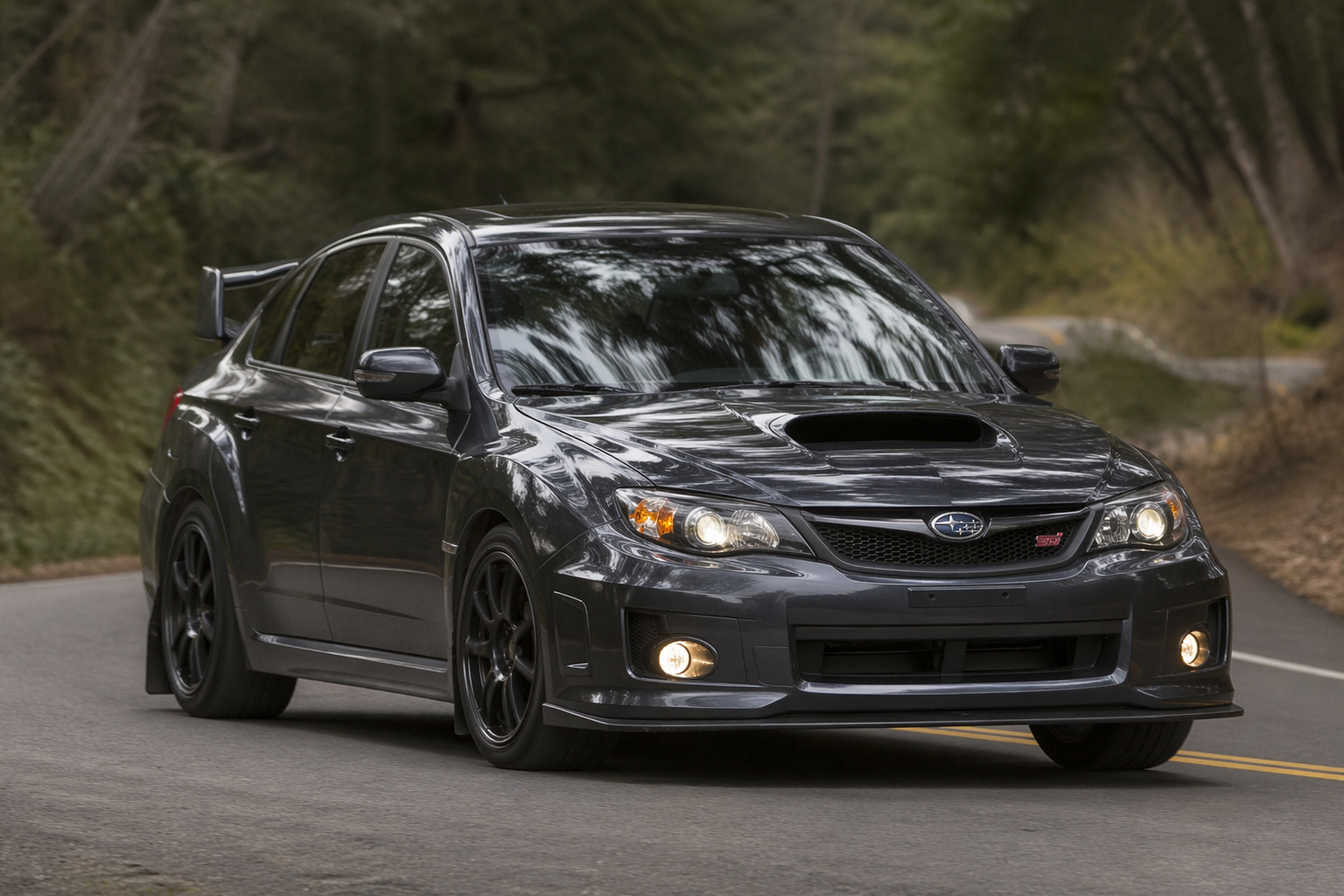
If you are asking what is turbo lag, the simple answer is this: turbo lag is the brief delay between pressing the accelerator and feeling the turbocharged engine deliver full boost and torque. In other words, it comes down to response time. The turbo needs a moment to build enough exhaust-driven speed before it can force extra air into the engine.
That short delay can feel mild in a modern daily driver or much more noticeable in an older or bigger-turbo setup. Understanding what is turbo lag matters because it affects drivability, throttle response, overtaking, and how a turbo car feels in real-world traffic.
To understand the concept properly, it helps to remember how a turbocharger works. The system uses exhaust gas to spin a turbine, which then drives a compressor that pushes more air into the engine. If you want the full breakdown, read our guide on how a turbo engine works.
In simple terms, what is turbo lag? It is the waiting period between throttle input and meaningful boost. When you hit the gas at low RPM, the engine may not yet be producing enough exhaust flow to spin the turbo fast enough. Until the turbo reaches the speed needed to build boost, response can feel softer than expected.
This is why a turbo car can feel calm for a split second and then suddenly pull harder. That delayed surge is exactly what most drivers mean when they ask what is turbo lag.
The main reason turbo lag exists is that a turbocharger is not driven directly by the crankshaft. It relies on exhaust energy. When engine speed is low, exhaust flow is lower too, so the turbine takes time to accelerate.
Several factors can make turbo lag more or less noticeable:
A larger turbo can support more top-end power, but it often takes longer to spool. A smaller turbo usually responds faster, though it may run out of breath sooner at high RPM. That is one reason turbo sizing is always a balance between response and peak horsepower.
If you have never driven a turbo car before, what is turbo lag in seat-of-the-pants terms? It feels like a momentary pause before the car really starts pulling. You press the accelerator, the engine reacts, but the strongest shove does not arrive instantly.
In daily driving, that can show up when:
That feeling is also why many drivers confuse turbo lag with poor throttle mapping or transmission hesitation. They can overlap, but they are not the same thing.
Not necessarily. A small amount of lag is normal in many turbocharged engines. So when people ask what is turbo lag, they are often really asking whether something is wrong with their car. In many cases, nothing is broken at all.
Turbo lag only becomes a problem when it is excessive, unpredictable, or worse than the setup should reasonably have. For example, a boost leak, poor tuning, worn components, or the wrong turbo choice can make response feel much lazier than intended.
If you are planning supporting mods, our articles on what an intercooler does and what a downpipe changes help explain where response gains can come from.
One of the most common mistakes in this topic is mixing up turbo lag and boost threshold. To answer the topic accurately, you need to separate the two.
Turbo lag is the time delay after you ask for power.
Boost threshold is the RPM range where the turbo begins making useful boost.
A car can have a relatively low boost threshold but still show some lag after a quick throttle input. On the other hand, a setup with a high boost threshold may feel naturally lazy below a certain RPM even if the turbo responds well once it is in the powerband.
Modern engineering has made a huge difference in how noticeable turbo lag feels. If you are researching what is turbo lag because newer turbo cars feel smoother than older ones, that is not your imagination.
Manufacturers reduce lag with:
Garrett’s turbo lag guide explains that turbo lag is the delay between throttle input and boost while the turbine builds speed. BorgWarner’s twin-scroll turbocharger explanation also shows why twin-scroll designs improve low-speed responsiveness by recovering exhaust energy more effectively. And Garrett’s variable geometry turbo technology page highlights how variable geometry systems improve transient response by controlling exhaust flow more precisely.
If your goal is not just to understand what is turbo lag, but to reduce it, the right answer depends on your setup.
Here are the smartest ways to improve response:
Turbo engines usually feel stronger when they are already closer to the boost window. Downshifting before an overtake often makes a bigger real-world difference than chasing hardware first.
A well-calibrated ECU can sharpen throttle response, torque delivery, and spool behavior.
Many people build lag into their project by choosing a turbo that is too large for how they actually drive. Street cars usually benefit from faster spool more than bragging-rights peak numbers.
Boost leaks, tired diverter valves, worn wastegate components, vacuum issues, and poor ignition health can all make response worse.
A better intercooler, freer-flowing exhaust, or better manifold design may help spool and consistency, but only when the combination makes sense as a whole.
Realistically, no. If you are still wondering what is turbo lag, the honest answer is that some delay is part of how exhaust-driven turbo systems work. You can reduce it dramatically, but you rarely erase it completely.
That said, many modern turbo cars have so little lag in normal driving that the average driver barely notices it. Good turbo matching, good tuning, and smart supporting hardware can make response feel extremely quick.
So, what is turbo lag? It is the brief delay between pressing the accelerator and getting full turbo boost. That delay happens because the turbocharger needs exhaust energy to spool up before it can deliver stronger airflow and torque.
The practical takeaway is simple: it is not just a textbook definition. It is a real drivability trait shaped by turbo size, engine design, tuning, RPM, and hardware choices. In a well-sorted modern setup, it is often small. In a badly matched or older setup, it can be obvious.
If you understand what is turbo lag, you will make better decisions about buying, tuning, and modifying a turbocharged car.
What is turbo lag? It is the short delay between throttle input and the moment a turbocharged engine reaches meaningful boost.
Turbo lag happens because the turbo depends on exhaust gas energy, and the turbine needs time to spin fast enough to create boost.
Yes. In many cases, better tuning can improve throttle response, torque delivery, and spool behavior.
No. Turbo lag is the delay after throttle input, while boost threshold is the RPM point where the turbo begins making useful boost.