
Inscreva-se na Newsletter
Digite seu endereço de e-mail abaixo e inscreva-se na nossa newsletter.
Documentando a paixão por carros
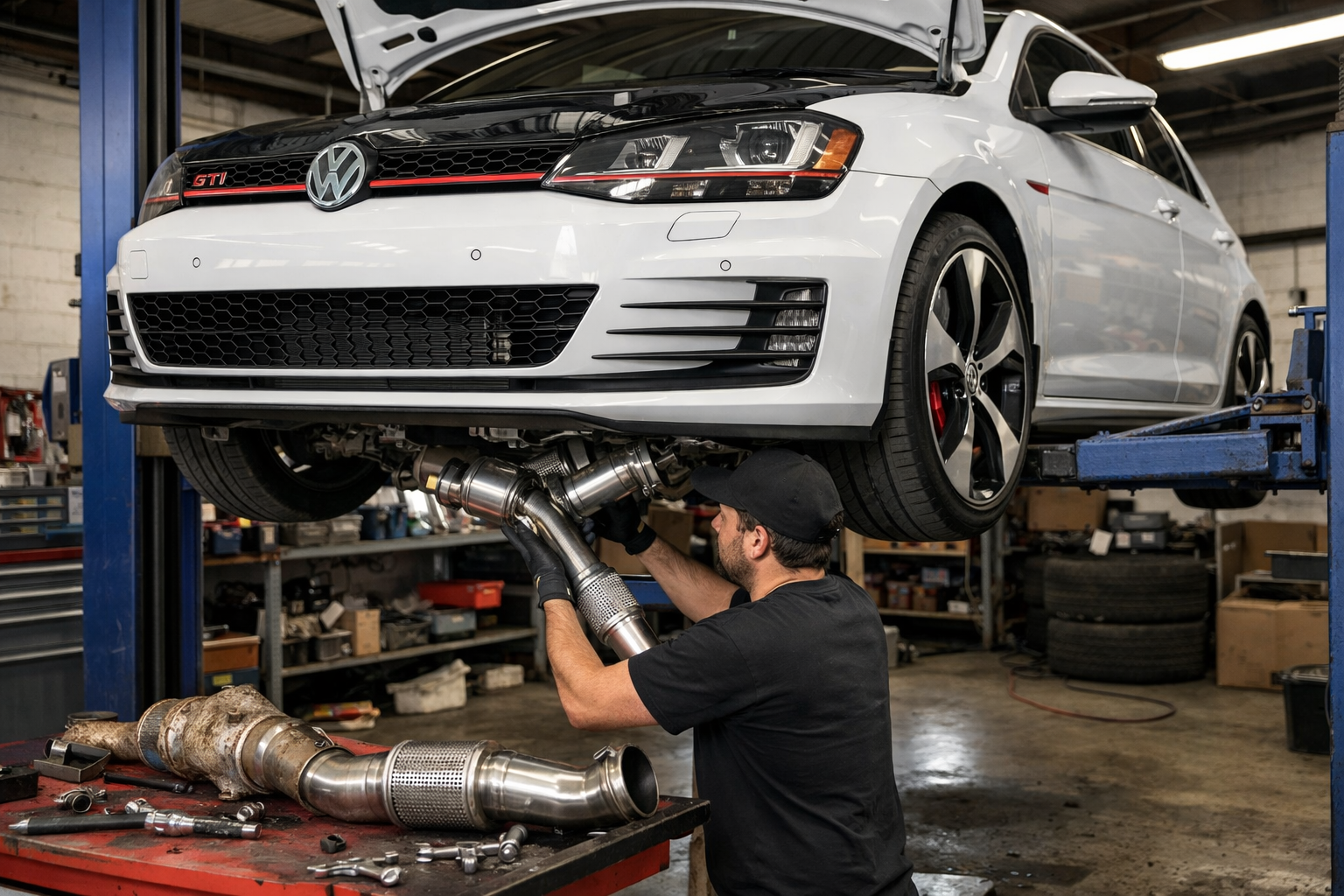
Yes, is stage 1 tune worth it for daily driver if the car is healthy, the tune is conservative, the fuel quality matches the calibration, and you are realistic about warranty, emissions, and maintenance. For many modern turbocharged cars in the U.S., Stage 1 is one of the best bang-for-the-buck upgrades because it can improve torque, throttle response, and highway passing without requiring major hardware changes.
But is stage 1 tune worth it for daily driver in every situation? No. It is not worth it if your car has existing issues, if you want zero warranty risk, if your local emissions rules are strict, or if you choose a cheap file with no logs, no support, and no clear fuel requirement.
A Stage 1 tune is an ECU calibration designed for a mostly stock car. In simple terms, the software adjusts how the engine manages torque, boost pressure, ignition timing, throttle response, fuel delivery, and safety limits.
That is why the question is stage 1 tune worth it for daily driver depends less on the label “Stage 1” and more on the quality of the calibration. A responsible Stage 1 tune should improve performance while keeping the car comfortable, predictable, and usable in traffic.
Stage 1 usually means:
Stage 1 became popular because many modern cars are electronically limited from the factory. Automakers calibrate vehicles for emissions, fuel quality variation, warranty margins, transmission protection, heat, altitude, and average driving behavior.
A good tune can unlock part of that margin. This is especially noticeable in turbocharged engines from brands like Volkswagen, Audi, BMW, Ford EcoBoost, Mercedes-Benz, Hyundai N, Subaru, and many newer performance-oriented daily cars.
So, is stage 1 tune worth it for daily driver if you commute every day? Usually, yes, when the goal is a more responsive car rather than a race build. The biggest improvement is often not “top speed.” It is how the car feels at 30–70 mph, how quickly it responds when merging, and how much less effort it takes to pass on the highway.
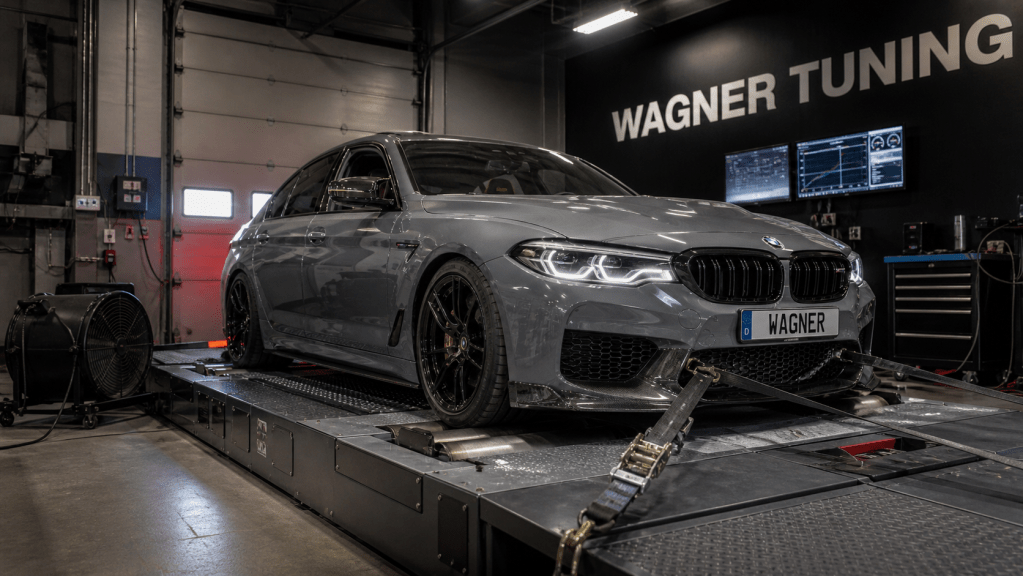
Most daily driving happens in the low and mid-range. A Stage 1 tune often makes the car feel stronger without needing to rev it hard. This is why many owners say the car feels “awake” after tuning.
Some factory calibrations feel lazy to keep the car smooth and efficient. Stage 1 can sharpen throttle mapping and torque delivery, making the car feel more connected.
For U.S. driving, this matters. Whether you are merging onto I-95, I-75, I-10, or a local freeway, extra torque can make the car feel safer and more confident.
Compared with Stage 2, Stage 1 is simpler. If you want to understand the difference, TorqueBrief already compares Stage 1 vs Stage 2 in detail.
Is stage 1 tune worth it for daily driver from a money perspective? In many cases, yes. A quality ECU tune can deliver a noticeable change for less money than wheels, exhaust, coilovers, or cosmetic mods.
Stage 1 is not magic. More torque means more load. More boost means more heat. More performance means less room for neglected maintenance.
That is why is stage 1 tune worth it for daily driver has to be answered with a checklist, not hype.
The main risks are:
A conservative tune from a reputable company is very different from a random aggressive file. The file, the tuner, the fuel, the car condition, and the driver all matter.
In the United States, aftermarket parts do not automatically void an entire vehicle warranty. However, a manufacturer or dealer may deny a specific warranty claim if they believe the modification caused the failure. That is why it is smart to understand the FTC’s warranty guidance under Magnuson-Moss before tuning a newer car.
Emissions are another major point. The EPA explains vehicle tampering and aftermarket defeat devices, and California drivers should also understand CARB Executive Order requirements for aftermarket parts.
In practical terms, is stage 1 tune worth it for daily driver in California or another strict emissions state? Only if the tune and related parts are emissions-compliant for your application. Do not assume that “Stage 1” automatically means legal everywhere.
Many Stage 1 tunes are written for 91 or 93 octane. Some platforms also offer E30 or ethanol blend files. The right choice depends on your car, your local fuel availability, your climate, and your tolerance for risk.
For a daily driver, the safest answer is simple: run the exact fuel the tune requires. If the file is made for 93 octane, do not run 87. If the tune requires E30, do not guess the ethanol mix without testing.
AAA has published research showing that premium fuel does not meaningfully benefit cars that only require regular gas, but tuned cars are different because the calibration may be designed around higher octane. You can read more about premium fuel research from AAA.
This is one of the biggest reasons is stage 1 tune worth it for daily driver depends on your real routine. If 93 octane is expensive or unavailable where you live, a 91-octane tune may be smarter than chasing the highest number.
Before asking is stage 1 tune worth it for daily driver, ask whether the car is ready for it.
Check these first:
Stage 1 does not fix a weak car. It exposes it. If your car already misfires, overheats, slips the clutch, or has poor fuel trims, tune later and diagnose first.
Stage 1 is usually the smarter daily-driver choice because it keeps the car closer to stock. Stage 2 often involves hardware such as a downpipe, intake, intercooler, or exhaust changes. Those upgrades can add power, but they also add cost, sound, inspection concerns, and maintenance demands.
For a daily car, Stage 2 can be great if built correctly, but it is no longer the simple step.
For most people asking is stage 1 tune worth it for daily driver, Stage 1 is the sweet spot. It gives you a real performance bump without turning the car into a project.
Is stage 1 tune worth it for daily driver? It is worth it if:
This is the ideal Stage 1 owner: someone who wants the car to feel stronger, not someone trying to beat every car on the road.
Is stage 1 tune worth it for daily driver? It is probably not worth it if:
If your budget is tight, spend first on maintenance, tires, brakes, and diagnostics. A healthy stock car is better than a tuned car with problems.
In the U.S., a Stage 1 tune often costs anywhere from a few hundred dollars to over $1,000 depending on the platform, tuner, flashing device, custom dyno time, logging support, and whether a TCU tune is also needed.
For daily drivers, do not shop only by price. A cheap tune with poor support can become expensive if it causes drivability issues, misfires, clutch slip, or inspection problems.
A good tuner should explain:
The best approach is not the most aggressive file. It is the most balanced file.
For a daily driver, choose:
That is the version where is stage 1 tune worth it for daily driver gets the strongest “yes.”
Yes. Is stage 1 tune worth it for daily driver on a turbo car? Usually, because turbo engines often respond very well to ECU calibration, especially in mid-range torque and throttle response.
Sometimes, but expectations should be lower. Naturally aspirated engines usually gain less power from software alone, so the value depends more on throttle feel, drivability, and small optimizations.
Not automatically. A conservative tune on a healthy car can be reliable, but aggressive boost, poor fuel, bad maintenance, and excessive heat increase risk.
Most Stage 1 tunes require premium fuel, often 91 or 93 octane. Always follow the tuner’s exact requirement.
Often, yes. Many modern ECUs store flash counters or calibration data. Do not assume flashing back to stock makes the tune invisible.
For most daily drivers, yes. Stage 1 is simpler, cheaper, quieter, and usually easier to live with.
Is stage 1 tune worth it for daily driver? Yes, if you treat it as a performance upgrade with responsibilities, not a shortcut. On the right car, with the right tuner, the right fuel, and the right maintenance, Stage 1 can make a daily driver much more enjoyable without ruining comfort.
But the best Stage 1 tune is not the most aggressive one. It is the one that matches your car, your state laws, your fuel, your commute, and your long-term ownership plan.
If you want a car that feels sharper, stronger, and more fun every day, Stage 1 can be worth it. If you want zero risk, zero maintenance changes, zero warranty concerns, and zero compliance questions, stay stock.