
Inscreva-se na Newsletter
Digite seu endereço de e-mail abaixo e inscreva-se na nossa newsletter.
Documentando a paixão por carros

If you are asking does a cold air intake need a tune, the honest answer is: usually no on a basic stock car, but sometimes yes depending on the vehicle, the intake design, the mass airflow sensor setup, and how much the intake changes airflow.
For many U.S. daily drivers, a quality cold air intake can run on the factory ECU calibration without immediate tuning. The car’s ECU can often make small fuel-trim adjustments on its own. But that does not mean every intake is automatically safe, legal, or worth installing without a tune.
The smarter answer is this: does a cold air intake need a tune? Not always. But if the intake changes the MAF housing size, causes check engine lights, creates unstable fuel trims, supports a bigger turbo setup, or is part of a Stage 2-style package, tuning becomes much more important.
Before you buy one, it helps to understand what a cold air intake actually changes. TorqueBrief already covers the value side in Is a Cold Air Intake Worth It? and the power side in Does a Cold Air Intake Add Horsepower?. This guide focuses on the tuning question.
In most cases, does a cold air intake need a tune? No, not if it is a mild, well-designed intake made for your exact car and installed correctly. Many bolt-on intakes are designed to work with the stock ECU.
However, an intake may need tuning when:
So, if you want the safest daily-driver answer, here it is: install only an intake made for your exact year, make, model, engine, and emissions application. Then monitor drivability. If the car runs cleanly, trims look normal, and no warning lights appear, a tune may not be necessary.
To answer does a cold air intake need a tune, you need to know what the intake changes.
A cold air intake can alter:
That last point matters most. Modern ECUs rely on sensors to estimate or measure how much air is entering the engine. If the intake changes the airflow pattern too much, the ECU may not calculate fueling correctly.
A mild intake that keeps the factory MAF diameter and sensor position usually creates less risk. A poorly designed intake that changes airflow around the MAF sensor can create unstable readings, fuel-trim issues, hesitation, or check engine lights.
That is why does a cold air intake need a tune is not just a yes-or-no question. It depends on whether the intake is engineered to work with the factory calibration.
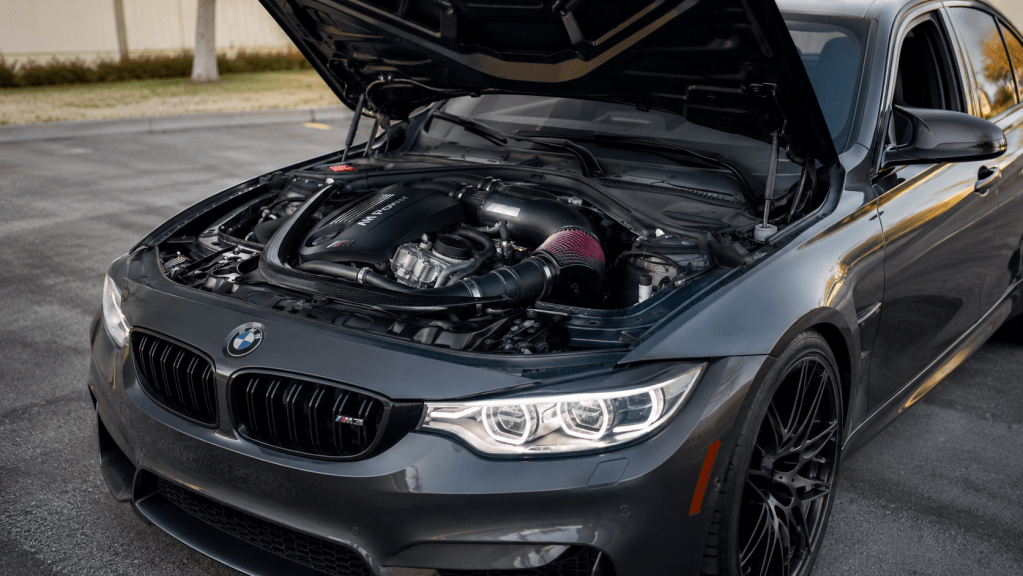
Most modern cars can adapt to small airflow changes. The ECU uses oxygen sensors, fuel trims, intake air temperature data, throttle position, load calculations, and other inputs to keep the engine running properly.
That is why does a cold air intake need a tune is often answered with “not always.” If the intake only improves the airflow path slightly and does not confuse the sensors, the ECU can usually compensate within normal limits.
This is especially true for daily drivers where the goal is:
If your goal is maximum horsepower, the answer changes. A tune can help the ECU take better advantage of the intake, especially on turbocharged engines. But for a stock commuter or mild enthusiast car, the intake may work fine without software.
For a deeper explanation of ECU calibration itself, read TorqueBrief’s guide on what an ECU tune is.
Now let’s be specific. Does a cold air intake need a tune in every case? No. But there are situations where tuning is strongly recommended.
This is one of the biggest reasons an intake may require tuning. If the MAF sensor housing is larger or shaped differently than stock, the sensor may read airflow incorrectly.
The ECU expects a certain relationship between sensor voltage and airflow. Change that relationship too much, and fueling can be off. That can lead to lean conditions, rich conditions, rough drivability, or warning lights.
If the intake manufacturer says a tune is required, take that seriously.
If you install an intake and the car starts showing lean codes, hesitation, surging, or inconsistent idle, the answer to does a cold air intake need a tune becomes more serious. The issue may not always be solved by tuning, because installation mistakes and vacuum leaks can create similar symptoms.
Before tuning, check the basics:
Do not use a tune to hide a mechanical problem. Fix the cause first.
A cold air intake by itself is usually a mild mod. But once you add a downpipe, intercooler, exhaust changes, or higher boost targets, the intake becomes part of a larger airflow system.
At that point, does a cold air intake need a tune becomes less about the intake alone and more about the whole setup. A Stage 2-style build often needs calibration because the car is moving more air, producing more heat, and operating outside the assumptions of the stock tune.
TorqueBrief explains this upgrade gap clearly in Stage 1 vs Stage 2 Tune. If your build includes exhaust-side changes, also read What Is a Downpipe?.
Some cars are more sensitive to intake changes than others. Certain MAF-based platforms react badly when airflow becomes turbulent around the sensor. Some turbo cars also depend heavily on accurate airflow and load calculations.
On these cars, does a cold air intake need a tune may depend on the exact intake brand and design. A proven CARB-approved or platform-tested intake may work without tuning, while a cheap universal kit may cause problems.
This is where platform research matters. Do not assume advice for a Civic, Mustang, WRX, GTI, BMW, or Camaro automatically applies to every other car.
Turbo cars are where the answer gets more interesting. Does a cold air intake need a tune on a turbo car? Sometimes no, but tuning can become more useful.
A turbocharged engine uses the turbo to force more air into the engine. Intake design, heat management, boost control, intercooler efficiency, and ECU calibration all work together. If the stock intake is restrictive, a better intake can support improved response or power. But if the ECU is not calibrated to use that airflow, the gain may be mostly sound.
On many turbo cars, an intake without a tune can still be safe if it is designed for the stock calibration. But if you are chasing real performance, a tune is usually where the larger change happens.
If you are new to turbo systems, read How Does a Turbo Work? and What Does an Intercooler Do? before planning your upgrade path.
On a naturally aspirated car, does a cold air intake need a tune? Usually no, especially if the intake is designed for the stock ECU.
Naturally aspirated engines do not have a turbo forcing in extra air, so the gains from an intake alone are often modest. The biggest changes are usually sound, throttle feel, and engine bay appearance. A tune may improve throttle mapping or slightly optimize fueling and timing, but it often will not transform the car.
For many naturally aspirated daily drivers, the better order is:
If the factory intake is already efficient, a drop-in filter or stock airbox may be the better value.
Yes. This is why does a cold air intake need a tune is not the only question you should ask.
A cold air intake can hurt performance if:
A louder intake is not always a better intake. More induction noise can make the car feel faster, but sound does not equal horsepower.
A well-designed intake should improve airflow without sacrificing sensor accuracy, filtration, drivability, and heat management.
For U.S. drivers, does a cold air intake need a tune is also a legal and warranty question.
An aftermarket intake does not automatically void your entire vehicle warranty. However, warranty claims can become complicated if a dealer or manufacturer believes the modification caused the problem. The FTC’s Magnuson-Moss Warranty Act page is a useful reference for understanding warranty rules.
Emissions are separate. The EPA’s enforcement page on aftermarket defeat devices explains why emissions-related tampering is a major issue. In California, the CARB aftermarket parts program explains Executive Orders for legal aftermarket parts.
This matters because some intakes are emissions-compliant only for specific applications. Some CARB Executive Orders also depend on the part being installed as approved, without additional tuning outside the certified setup.
So, if you live in California or another strict inspection state, the safest question is not only does a cold air intake need a tune. The better question is: is this exact intake legal for my exact car?
After installation, watch the car carefully. Does a cold air intake need a tune after you install it? These signs suggest you should stop guessing and diagnose:
If the car feels worse after the intake, do not assume it is “just adapting.” Recheck the installation first. Then scan for codes. If everything is mechanically correct and the platform is known to need calibration, talk to a reputable tuner.
For most daily drivers, the best answer to does a cold air intake need a tune is this: start with a proven intake that does not require a tune, keep the factory ECU if the car runs properly, and tune only when your goals justify it.
That approach gives you the best balance of:
If you plan to tune anyway, think about the whole build instead of buying random parts. A good Stage 1 tune may not require an intake at all. A Stage 2 setup may require more supporting hardware.
So, does a cold air intake need a tune?
Usually, no. A basic, well-designed cold air intake made for your exact vehicle can often run safely on the stock ECU. If the intake keeps sensor readings stable, does not change the MAF housing dramatically, and does not trigger codes, tuning is not always necessary.
But the answer changes when the intake is aggressive, the platform is sensitive, the MAF scaling changes, the car shows drivability problems, or the intake is part of a bigger turbo, downpipe, intercooler, or Stage 2 setup.
The smartest move is simple: buy a proven intake, follow the manufacturer’s instructions, check emissions legality, monitor the car after installation, and tune only when the vehicle actually needs it or when your performance goals require it.
In other words, does a cold air intake need a tune? Not always. But the more your intake changes airflow, sensor behavior, or the overall build, the more important tuning becomes.
Usually no. If the intake is designed for the stock ECU and does not change the MAF readings too much, most stock cars can run it without a tune.
Sometimes. Many turbo cars can run a mild intake without tuning, but a tune may be needed or recommended if the intake changes airflow measurement, supports higher boost, or is part of a larger performance package.
Sometimes, but gains are usually modest. Without tuning, many drivers notice more sound and throttle feel than major horsepower.
Yes. A bad intake design, wrong part number, loose clamp, vacuum leak, dirty MAF sensor, or changed MAF housing can trigger codes.
Not necessarily. It can be fine if the intake is designed to work with the stock calibration. But if the manufacturer says tuning is required, do not ignore that instruction.
Tune it if your platform benefits from calibration, if the intake requires it, if you are adding other performance parts, or if you want to maximize safe performance. For a simple daily driver, tuning may not be necessary.