
Inscreva-se na Newsletter
Digite seu endereço de e-mail abaixo e inscreva-se na nossa newsletter.
Documentando a paixão por carros
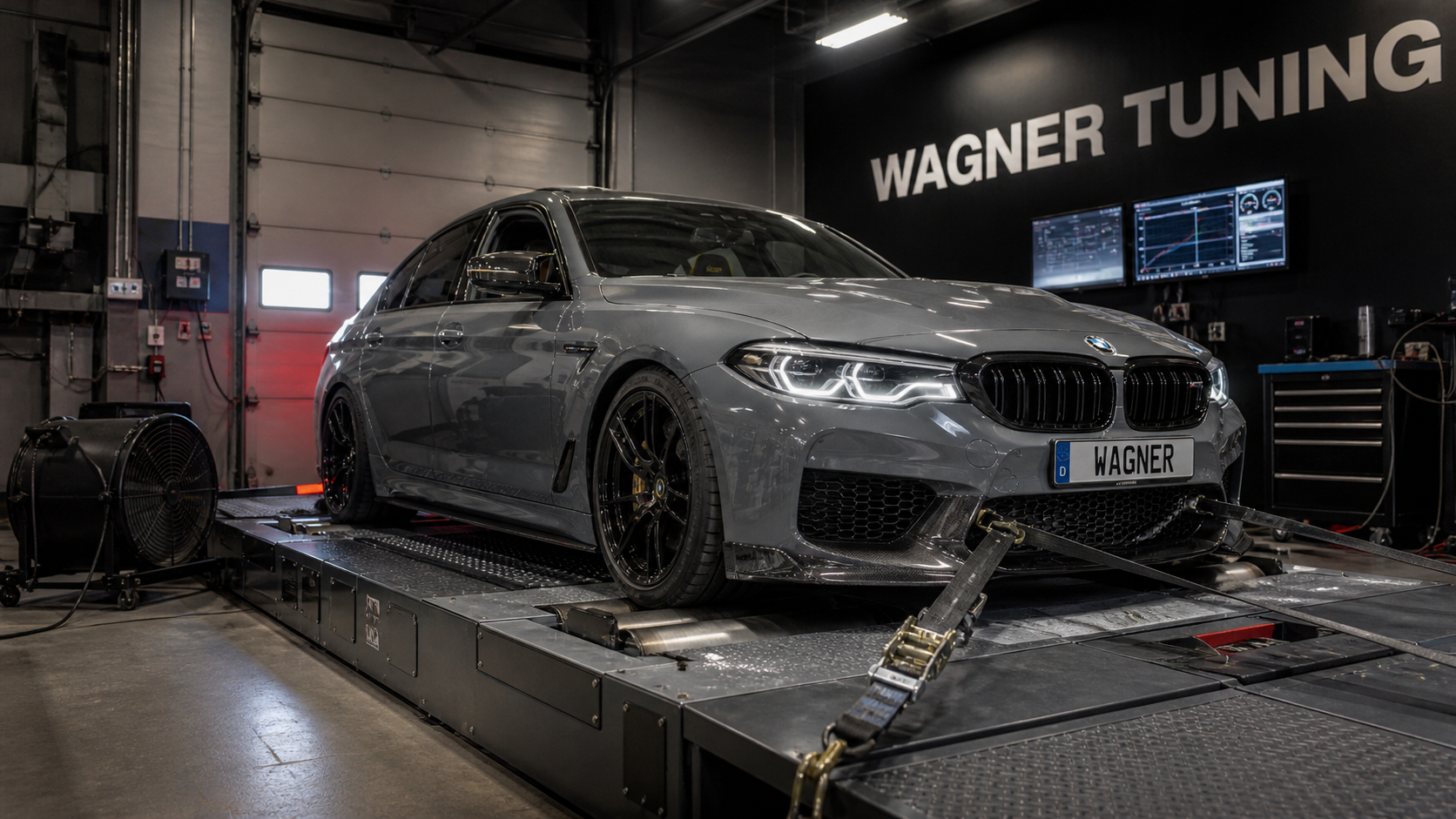
If you are asking does an ecu tune void warranty, you are probably interested in more power but worried about an expensive engine, turbo, or transmission claim later. That is a smart concern. An ECU tune can make a car feel much stronger, especially on a turbocharged platform, but it also changes the way the engine is calibrated.
The short answer is: an ECU tune does not automatically erase your entire factory warranty in the United States. However, it can give the manufacturer or dealer a reason to deny a specific warranty claim if they can connect the tune to the failure. That is the difference most owners miss.
This guide explains what actually happens, which claims are most at risk, what U.S. warranty law says, how emissions rules matter, and how to reduce risk before modifying your car.
So, does an ecu tune void warranty by itself? Usually, no. Installing a tune does not automatically cancel every part of your vehicle warranty. Your radio, window motor, infotainment screen, seat mechanism, or paint coverage should not be denied just because your engine software was changed.
But does an ecu tune void warranty for powertrain-related repairs? It can lead to a denial if the dealer or manufacturer believes the tune contributed to the damage. Engine, turbocharger, clutch, transmission, drivetrain, emissions, and cooling-system claims are the areas most likely to be questioned.
In plain English: the whole warranty is not instantly gone, but the tune can put related repairs under a microscope.
An ECU tune is a software calibration change made to the engine control unit. The ECU manages fuel delivery, ignition timing, throttle behavior, torque limits, boost targets on turbo cars, and many protection strategies. If you want the deeper technical explanation, read TorqueBrief’s guide on what is an ECU tune.
A tune may be designed for better throttle response, more mid-range torque, higher boost, sharper acceleration, or supporting hardware like an intake, intercooler, exhaust, or downpipe. That is why does an ecu tune void warranty is not a simple yes-or-no question. A mild Stage 1 tune on a healthy car is very different from an aggressive file with poor fuel, extra boost, disabled emissions monitors, and no datalogs.
The key idea for U.S. drivers is this: aftermarket parts and non-dealer service do not automatically void a warranty. According to the Federal Trade Commission’s auto warranty guidance, your warranty can stay in effect when aftermarket parts are used, but the manufacturer or dealer may deny coverage if a defective aftermarket part or improper installation damages a covered part.
This is also why the Magnuson-Moss Warranty Act matters. For a tuned car owner, the better question is not simply does an ecu tune void warranty. The better question is: did the ECU tune cause or contribute to the specific failure being claimed?
For example, if your tuned car has a power window failure, the tune is probably unrelated. If your tuned turbo engine suffers detonation, overboost, melted spark plugs, clutch slip, transmission stress, or a damaged catalytic converter, the tune may become part of the warranty discussion.
This article is not legal advice. Warranty decisions depend on the vehicle, warranty language, state law, dealership process, manufacturer policy, tune type, and the exact failure.
Some modifications are easy to separate from a warranty claim. Aftermarket wheels may not matter if your infotainment screen fails. A cat-back exhaust may not matter if your power seat stops working.
An ECU tune is different because it changes how the powertrain operates. More boost can create more heat. More torque can stress the clutch, transmission, axles, engine mounts, and cooling system. More aggressive ignition timing can increase knock risk if fuel quality is poor. That is why does an ecu tune void warranty gets asked so often by owners of newer turbo cars.
If you are deciding between a mild tune and a more involved setup, read TorqueBrief’s Stage 1 vs Stage 2 tune guide. Stage labels are not universal, but Stage 2 usually adds more hardware assumptions and more warranty complexity.
Often, yes. Many modern vehicles store calibration data, software identifiers, flash counters, diagnostic logs, torque data, overboost events, or other clues that may show the ECU has been changed. Flashing back to stock does not guarantee the vehicle becomes invisible.
This matters because does an ecu tune void warranty is not only about the law. It is also about the real-world process of making a claim. If a dealer sees signs of tuning during an engine or transmission diagnosis, the claim may be escalated to the manufacturer for review.
A tune does not need to be “bad” to create friction. Even a clean Stage 1 file can raise questions if the failure involves pistons, rods, turbochargers, fuel system behavior, catalytic efficiency, clutch capacity, or transmission torque limits.
Here is the practical way to think about does an ecu tune void warranty:
| Warranty Claim | Risk After ECU Tune | Why |
|---|---|---|
| Infotainment, screen, radio | Low | Usually unrelated to engine calibration |
| Window regulator or door lock | Low | Not connected to powertrain output |
| Paint or trim defect | Low | Tune should not affect body defects |
| Engine misfire, knock, piston damage | High | Tune, fuel, timing, boost, and heat may be reviewed |
| Turbocharger failure | High | Boost targets and heat load may be questioned |
| Clutch slip | Medium to high | Extra torque can exceed clutch capacity |
| Automatic transmission issue | Medium to high | Torque increase may affect drivetrain load |
| Catalytic converter or emissions fault | High | Tune or hardware may affect emissions behavior |
| Cooling-system stress | Medium | Higher load can create more heat |
This table is not a guarantee. It is a risk map. The more directly a failure connects to engine output, airflow, heat, torque, or emissions, the more likely the tune becomes relevant.
Warranty and emissions are not the same thing. A tune might create warranty risk, but it can also create legal and inspection problems if it disables emissions systems, changes OBD readiness behavior, removes catalyst monitoring, or works with non-compliant hardware.
The EPA says the Clean Air Act prohibits tampering with emissions controls and prohibits manufacturing, selling, and installing aftermarket defeat devices for public-road vehicles. California adds another layer through CARB Executive Orders for certain aftermarket parts and calibrations.
That is why does an ecu tune void warranty should not be your only question. You should also ask whether the tune is emissions-compliant for your exact vehicle, state, model year, hardware, and use case.
This becomes even more important with downpipes. If you are considering exhaust-side hardware, read TorqueBrief’s guide on what is a downpipe. On many turbo cars, the downpipe area affects catalytic converters, oxygen sensors, check-engine lights, and inspection readiness.
For most daily drivers, Stage 1 is usually the lower-risk tuning path because it often uses factory hardware and a more conservative calibration. That does not mean risk-free. It only means fewer parts and fewer variables.
Stage 2 usually adds more complexity. Depending on the platform, it may involve intake upgrades, intercooler changes, exhaust hardware, downpipes, charge pipes, fuel changes, or a more aggressive torque request. The more the car moves away from stock, the easier it becomes for a warranty reviewer to argue that the modified setup contributed to the issue.
If you still want to tune, do it like an adult, not like someone chasing the highest dyno number online.
Before tuning, ask does an ecu tune void warranty for your specific car, your specific dealer, and your specific tune. Then check these points:
The safest answer to does an ecu tune void warranty is not “never tune.” It is “understand the trade-off before you flash the car.”
Warranty is one thing. Insurance is another. Some insurers may care about performance modifications, especially if the tune changes power, value, theft risk, repair cost, or how the car is used.
If your car has an ECU tune, aftermarket turbo hardware, downpipe, suspension, wheels, or other upgrades, read TorqueBrief’s guide to best insurance for modified cars. The main lesson is simple: undisclosed modifications can create problems after a claim.
A tune may not be worth it if:
For these owners, the answer to does an ecu tune void warranty is practical: maybe not the whole warranty, but enough risk to make waiting smarter.
An ECU tune can make sense if the car is healthy, the warranty period is less important to you, the tune is conservative, the fuel requirement is realistic, and the tuner supports the platform properly.
It can also make sense when you understand the trade-off: you are choosing better performance while accepting more responsibility for maintenance, diagnostics, fuel quality, and possible warranty conversations.
For many enthusiasts, that trade-off is worth it. For others, the answer to does an ecu tune void warranty is enough to stay stock until the factory coverage expires. For owners who want factory-level peace of mind, staying stock is still the cleaner choice.
No. Does an ecu tune void warranty automatically? In most cases, not the entire vehicle warranty. But it can lead to denial of specific claims if the tune is connected to the failure.
Yes, especially if the failure involves boost, knock, heat, torque, fuel delivery, emissions behavior, or engine stress. The dealer or manufacturer may argue that the tune contributed to the damage.
Not always. Some vehicles store flash history, calibration data, diagnostic clues, or event logs. Flashing back to stock may reduce obvious signs, but it does not guarantee the tune cannot be detected.
Sometimes it may be less invasive than a full ECU flash, but it is not automatically warranty-safe. If the device changes boost, fueling signals, or torque behavior and a related failure occurs, it can still become part of the claim.
Usually, yes. Stage 1 often keeps factory hardware and adds fewer variables. Stage 2 usually involves more parts, airflow changes, emissions questions, and greater powertrain stress.
It can. A tune that disables emissions systems, changes readiness behavior, removes catalyst monitoring, or supports non-compliant hardware can create legal and inspection problems, especially in strict states like California.
Only if you accept the risk. If losing powertrain warranty confidence would financially hurt you, wait until the warranty matters less or choose modifications with lower claim risk.
So, does an ecu tune void warranty? Not automatically, and not usually for the entire vehicle. But it absolutely can affect related warranty claims, especially powertrain and emissions claims.
The smart answer is this: an ECU tune does not erase every protection you have, but it changes the conversation. If the failure is unrelated, the tune should not matter. If the failure involves engine output, boost, torque, heat, transmission load, or emissions systems, the tune may become the reason your claim is challenged.
For U.S. drivers, the best move is to treat tuning as a real performance modification, not a harmless phone update. Choose a conservative calibration, keep the car maintained, follow fuel requirements, avoid emissions defeat features, and understand that more power always comes with more responsibility.