Inscreva-se na Newsletter
Digite seu endereço de e-mail abaixo e inscreva-se na nossa newsletter.
Digite seu endereço de e-mail abaixo e inscreva-se na nossa newsletter.
Documentando a paixão por carros
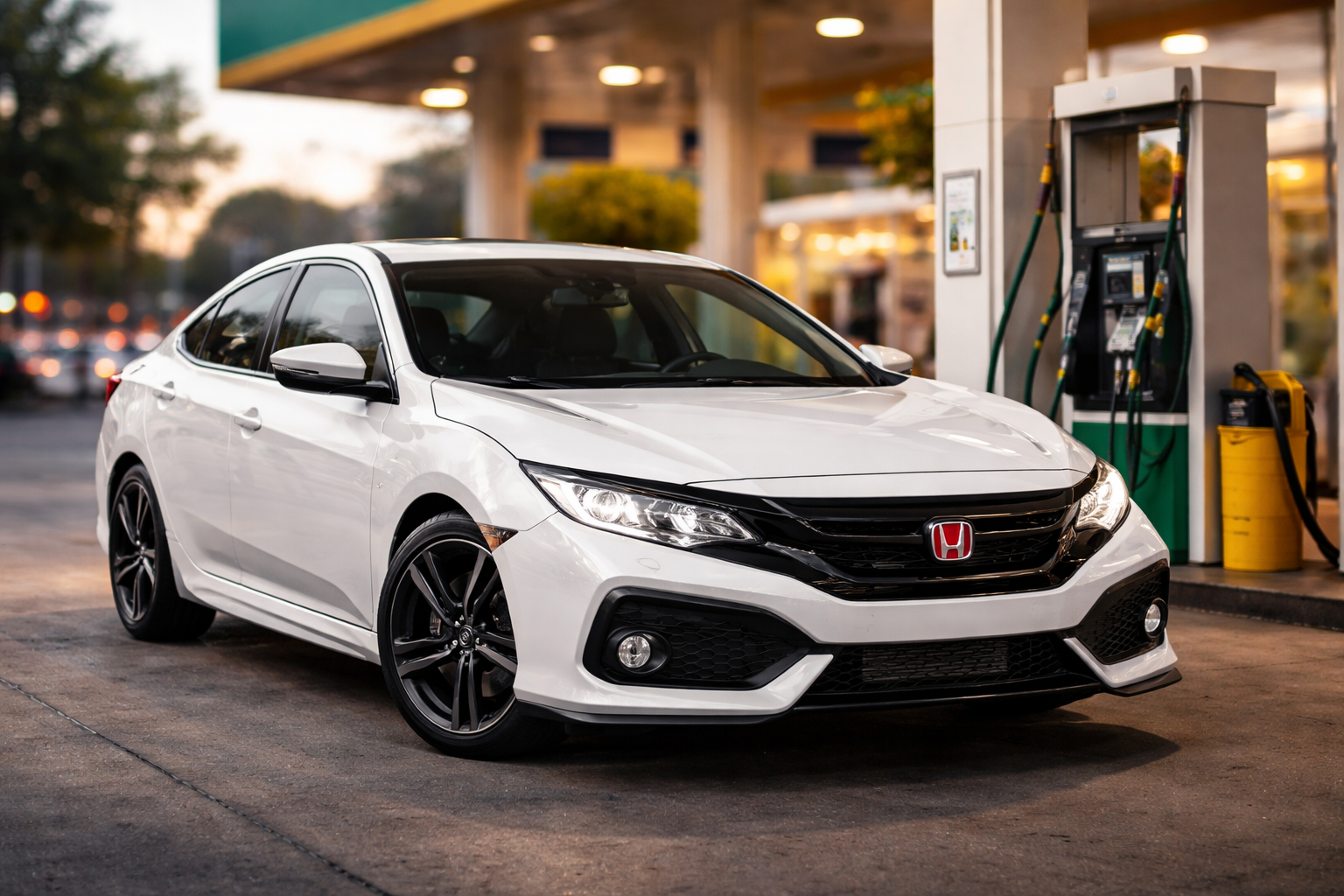
If you are searching for the best mileage for a used car, you probably want a simple number before you spend thousands of dollars. The honest answer is that mileage matters, but it should never be the only reason you buy or reject a vehicle.
For most U.S. shoppers, a good rule of thumb is around 10,000 to 15,000 miles per year. That means a five-year-old used car with 50,000 to 75,000 miles can be perfectly normal. Still, the best mileage for a used car depends on age, service history, driving conditions, brand reliability, ownership habits, and how the vehicle was maintained.
A 95,000-mile car with excellent records can be a better buy than a 40,000-mile car with missed oil changes, accident history, cheap tires, brake vibration, and no proof of maintenance. The goal is not to find the lowest odometer reading. The goal is to find the best balance between mileage, condition, price, and long-term ownership cost.
The best mileage for a used car is usually a mileage range that matches the vehicle’s age. In the U.S., many drivers average roughly 12,000 to 15,000 miles per year, so this table is a practical starting point:
| Vehicle Age | Good Mileage Range | Be More Careful Above |
|---|---|---|
| 1 year | 10,000–18,000 miles | 25,000 miles |
| 3 years | 30,000–45,000 miles | 60,000 miles |
| 5 years | 50,000–75,000 miles | 90,000 miles |
| 7 years | 70,000–105,000 miles | 125,000 miles |
| 10 years | 100,000–150,000 miles | 170,000 miles |
| 12+ years | Condition matters most | Any car without records |
This does not mean every car above those numbers is bad. It means the inspection needs to be deeper. The best mileage for a used car is not just “low mileage.” It is mileage that makes sense for the year, price, records, and mechanical condition.
Mileage matters because every mile adds wear. Tires wear down, brake pads lose material, rotors can warp, suspension bushings age, fluids break down, batteries weaken, and interior parts slowly show use. A higher-mileage vehicle may also be closer to major services like spark plugs, belts, coolant, transmission fluid, shocks, or wheel bearings.
But mileage is only a clue. It is not a full diagnosis.
Highway miles are usually easier on a vehicle than stop-and-go city miles. A car that spent 80,000 miles commuting on open roads may be in better shape than a 45,000-mile car that lived in potholes, short trips, extreme heat, salt, rideshare use, or aggressive driving.
That is why the best mileage for a used car should always be judged with a maintenance-first mindset. Mileage tells you how far the car has traveled. Service history tells you how well it survived the trip.
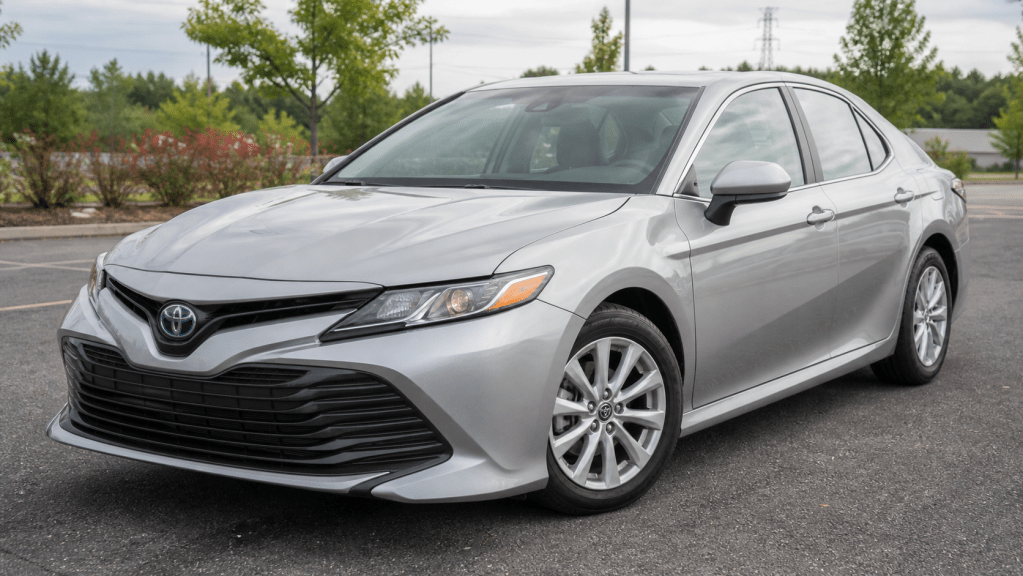
Low mileage feels safer, and sometimes it is. A low-mileage car can mean less wear, newer tires, a cleaner interior, more factory warranty left, and better resale value. But low mileage can also be misleading.
A car that sat for long periods may have dry rubber seals, flat-spotted tires, old fluids, weak battery health, stale fuel, rust from outdoor storage, or maintenance skipped by time instead of mileage. Cars need to be driven and serviced.
High mileage can also be smart when the price is right and the history is clean. Some vehicles are built well enough to handle 150,000 miles or more with proper care. If you are comparing models, TorqueBrief’s guide to most reliable car brands is a useful internal read before narrowing your list.
The best mileage for a used car depends less on whether the number is low or high and more on whether the number is believable, documented, and reflected in the vehicle’s condition.
Different vehicles age differently. A compact commuter, a work truck, a luxury SUV, and a sports car should not be judged by the exact same mileage standard.
For compact cars, sedans, and basic daily drivers, the best mileage for a used car often falls between 30,000 and 90,000 miles, depending on age. These cars are usually easier to maintain, cheaper to repair, and more forgiving than luxury or performance vehicles.
Look for oil-change records, tire condition, brake feel, smooth transmission behavior, and signs of rideshare or delivery use.
SUVs and crossovers often carry more weight, which can increase wear on tires, brakes, suspension, and all-wheel-drive components. A five-year-old SUV with 70,000 miles can still be a good buy, but you should inspect service records carefully.
Pay extra attention to transmission service, tire matching, alignment, suspension noise, and whether the vehicle has been used for towing.
Mileage on trucks can be tricky. A truck with 120,000 easy highway miles may be healthier than a 60,000-mile truck that towed heavy loads every weekend. Check the hitch, bed, frame, rear differential, transmission behavior, cooling system, and maintenance records.
For trucks, the best mileage for a used car is really the best mileage for the job it has done. Work use, towing, off-roading, and fleet history matter a lot.
Sports cars need a different lens. A 35,000-mile sports car can be rough if it has been tracked, tuned poorly, launched often, or modified with cheap parts. A 70,000-mile stock car with careful owners may be the better choice.
If you are shopping for fun cars, read TorqueBrief’s guide to best reliable sports cars and the list of cheap sports cars before buying. For enthusiast vehicles, the best mileage for a used car depends heavily on abuse history.
For project cars, mileage is only one part of the equation. Platform support, rust, parts availability, drivetrain condition, and previous modifications can matter more than the odometer.
If you want a build, start with TorqueBrief’s guides to best cars to mod under $10,000 and best project cars for beginners. A cheap project with mystery mileage can become expensive fast.
This is usually considered low mileage. It can be attractive because the car may still feel new, have modern features, and retain warranty coverage. However, make sure the price is not too close to a new vehicle. Also check for rental history, accident repairs, and skipped maintenance.
This is often the sweet spot for many U.S. buyers. The first owner has absorbed a large part of depreciation, but the car may still have plenty of life left. For many shoppers, the best mileage for a used car sits in this range when the car is three to five years old.
This range can deliver strong value. The price is usually more reasonable, but inspection becomes more important. You may be approaching tires, brakes, fluids, spark plugs, suspension components, or other scheduled services.
This is where maintenance records become more important than sales photos.
A used car in this range can still be worth buying, especially if it is known for reliability and has documented service. The risk is deferred maintenance. Before buying, budget for immediate work and have the car inspected by a trusted mechanic.
The best mileage for a used car at this level is mileage supported by proof, not promises.
Above 150,000 miles, condition is everything. Some cars are still excellent. Others are near the end of economical ownership. Avoid emotional buying here. Check compression if needed, scan for codes, inspect the frame, look for leaks, test every feature, and confirm service history.
A high-mileage bargain is only a bargain if the expensive parts are still healthy.
Odometer fraud still exists, so never assume the number is accurate. The NHTSA has an official resource on odometer fraud, and used buyers should compare the odometer against the title, service records, inspection records, vehicle history reports, and the physical condition of the car.
Here are simple warning signs:
The best mileage for a used car must be believable. If the interior, documents, and vehicle history do not match the odometer, walk away.
A clean service history is one of the strongest signs of a smart used-car purchase. Oil changes, transmission service, brake work, coolant service, spark plugs, filters, tires, alignments, recalls, and inspections all tell you how the vehicle was treated.
Before buying from a dealer, review the FTC’s used-car guidance and the Buyers Guide requirements. The FTC explains that dealers must display a Buyers Guide on used vehicles, and buyers should ask for a vehicle history report, an independent inspection, and recall information.
You should also check open recalls through the official NHTSA recall lookup. A car can have good mileage and still need an important safety repair.
If brakes are part of your inspection findings, TorqueBrief’s guides on when to replace brake pads and when to replace brake rotors can help you understand what may need attention after purchase.
Mileage affects value because buyers expect lower-mileage cars to have more remaining life. However, the price gap is not always rational. Some sellers overcharge for low mileage even when the car has poor maintenance, accident history, bad tires, or outdated fluids.
When comparing listings, look at:
The best mileage for a used car is the mileage that gives you the best total deal, not just the lowest odometer reading.
Use this checklist before making an offer:
This process helps you find the best mileage for a used car without relying on mileage alone.
The best mileage for a used car is usually around 10,000 to 15,000 miles per year, supported by clean records, a fair price, a strong inspection, and a believable ownership history.
For many U.S. buyers, the sweet spot is a three-to-six-year-old vehicle with 30,000 to 90,000 miles. That range often balances depreciation, modern features, and remaining life. But the right answer changes by model, use case, maintenance, and budget.
Do not buy the odometer. Buy the condition. A well-maintained high-mileage car can be smarter than a neglected low-mileage car. The best mileage for a used car is the mileage that comes with proof, not guesswork.
The best mileage for a used car is usually around 10,000 to 15,000 miles per year. A five-year-old car with 50,000 to 75,000 miles can be very reasonable if it has strong maintenance records and passes inspection.
No, 100,000 miles is not automatically too much. Many modern vehicles can go well beyond that with proper care. The key is service history, condition, and whether major maintenance has already been handled.
Not always. Low mileage can be good, but a car that sat unused or skipped time-based maintenance can still have problems. A documented, well-maintained car is usually safer than a low-mileage car with no history.
Avoid any mileage that does not match the vehicle’s records or condition. Above 150,000 miles, you need a deeper inspection and a repair budget, but mileage alone should not be the only deciding factor.
A practical U.S. estimate is about 10,000 to 15,000 miles per year. That makes it easier to judge whether a used vehicle has low, average, or high mileage for its age.
Maintenance matters more. Mileage shows use, but maintenance shows care. The best mileage for a used car is always stronger when backed by oil changes, inspections, fluid services, tires, brakes, and repair records.
Yes, if the price is right, the model is reliable, the maintenance history is strong, and a mechanic confirms the condition. A high-mileage used car with records can be a smart value buy.