Inscreva-se na Newsletter
Digite seu endereço de e-mail abaixo e inscreva-se na nossa newsletter.
Documentando a paixão por carros
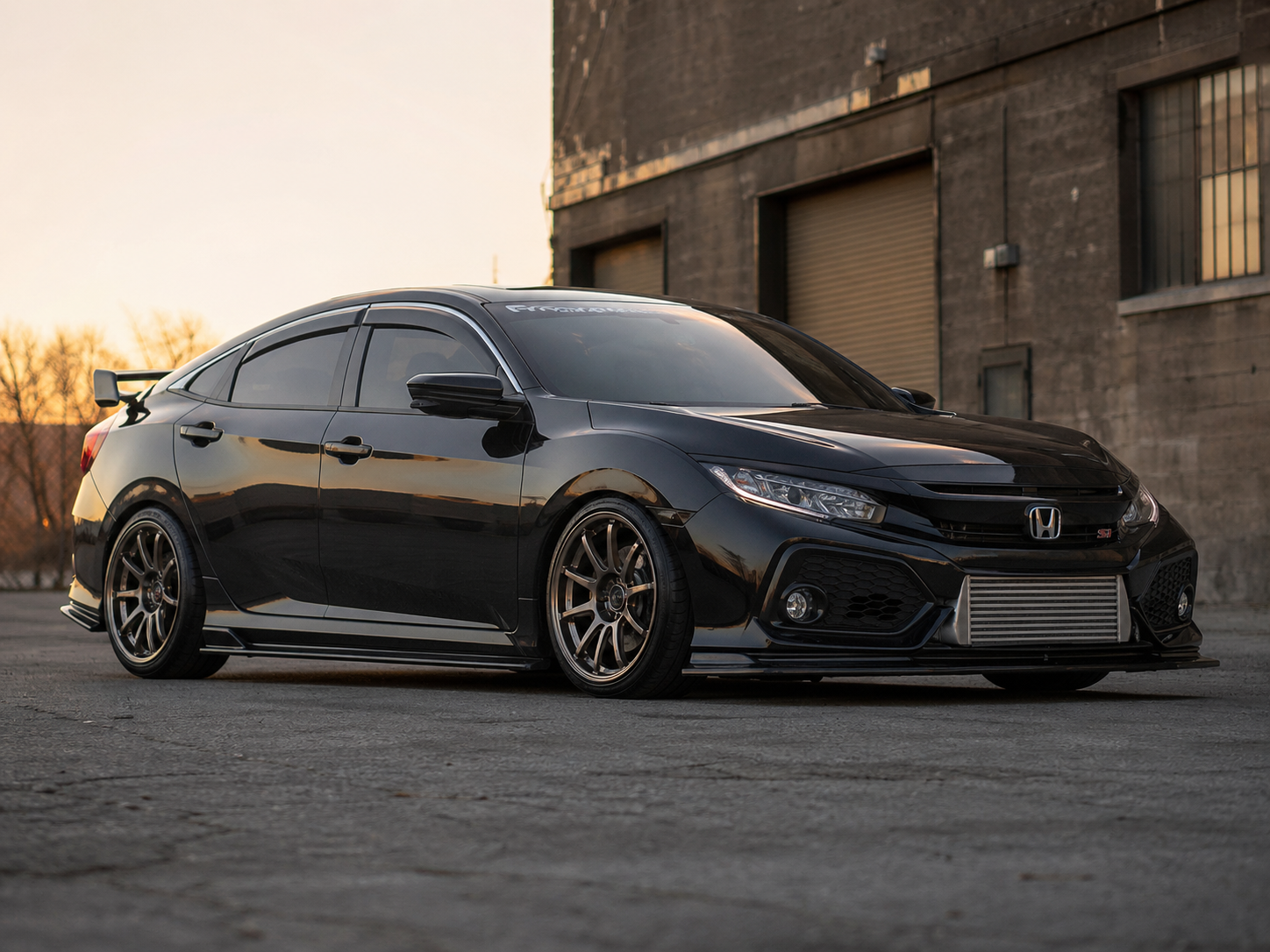
If you are searching for the best insurance for modified cars, you probably care about your build more than the average commuter cares about a basic sedan. Maybe your car has an ECU tune, aftermarket wheels, suspension, a wrap, upgraded turbo hardware, or a weekend project-car setup. The problem is simple: standard auto insurance may not automatically understand what your car is really worth after those upgrades.
The best insurance for modified cars is not always the cheapest policy. It is the policy that recognizes your modifications, uses the right valuation method, and reduces the chance of a bad surprise after a theft, crash, fire, vandalism claim, or total loss.
Insurance rules vary by state, provider, vehicle, use case, and policy language. This guide is not legal advice. It is a practical checklist for U.S. enthusiasts who want to protect a modified car the smart way.
A modified car is any vehicle changed from its original factory configuration. Some modifications are cosmetic. Others change how the car accelerates, stops, handles, sounds, or gets repaired after a claim.
Common examples include ECU tunes, turbo kits, supercharger kits, intercoolers, downpipes, cat-back exhausts, lowering springs, coilovers, air suspension, aftermarket wheels, wider tires, brake upgrades, vinyl wraps, custom paint, body kits, roll bars, racing seats, audio systems, and interior changes.
If you are still learning the performance side, TorqueBrief’s guides on what an ECU tune does, what a downpipe is, and Stage 1 vs Stage 2 tuning are strong companion reads before you talk to an insurer.
For insurance purposes, the real question is not only “is the car modified?” It is: does the modification change value, repair cost, theft risk, safety, emissions compliance, or how the vehicle is used?
Standard auto insurance is built around a normal vehicle profile: factory equipment, normal commuting, ordinary repairs, and a value estimate based on the broader used-car market.
That can create problems for modified vehicles. Your insurer may cover the vehicle itself but not fully recognize the extra money you spent on aftermarket parts. Some standard policies may include limited custom parts coverage, some may require an endorsement, and some may exclude certain modifications.
That is why the best insurance for modified cars starts with disclosure. If you hide a tune, turbo kit, wrap, suspension setup, or custom wheels, you may save money upfront but create a major problem later. The insurer cannot properly price or cover a risk it does not know about.
This matters more as the build gets more expensive. A $700 intake is one thing. A $12,000 turbo build, rare wheels, widebody kit, custom paint job, and track-oriented suspension are another.
The best insurance for modified cars depends on how the vehicle is built and used.
For a lightly modified daily driver, the right answer may be a mainstream insurer that allows custom parts and equipment coverage. For a heavily modified project car, collector car, show car, or low-mileage weekend vehicle, a specialty insurer may be a better fit. For a car that goes to track days, you may need separate event coverage because standard auto policies typically are not built for racing or timed events.
| Vehicle Type | Better Coverage Direction | Why It Matters |
|---|---|---|
| Lightly modified daily driver | Standard policy with disclosed mods and custom parts endorsement | Keeps normal usability while adding protection for upgrades |
| Tuned street car | Standard or specialty policy, depending on modifications | ECU tuning and power mods may affect risk and eligibility |
| Show car or collector build | Specialty agreed value policy | Better for unique value and limited-use vehicles |
| Track-focused car | Specialty policy plus track-day coverage if needed | Normal policies may not cover on-track incidents |
| Expensive cosmetic build | Policy with documented wrap, paint, wheels, and body kit coverage | Cosmetic mods can be costly to repair or replace |
The best insurance for modified cars is the one that matches the car’s real use. A daily-driven tuned GTI, a garage-kept widebody Mustang, and an LS-swapped track car should not be insured the same way.
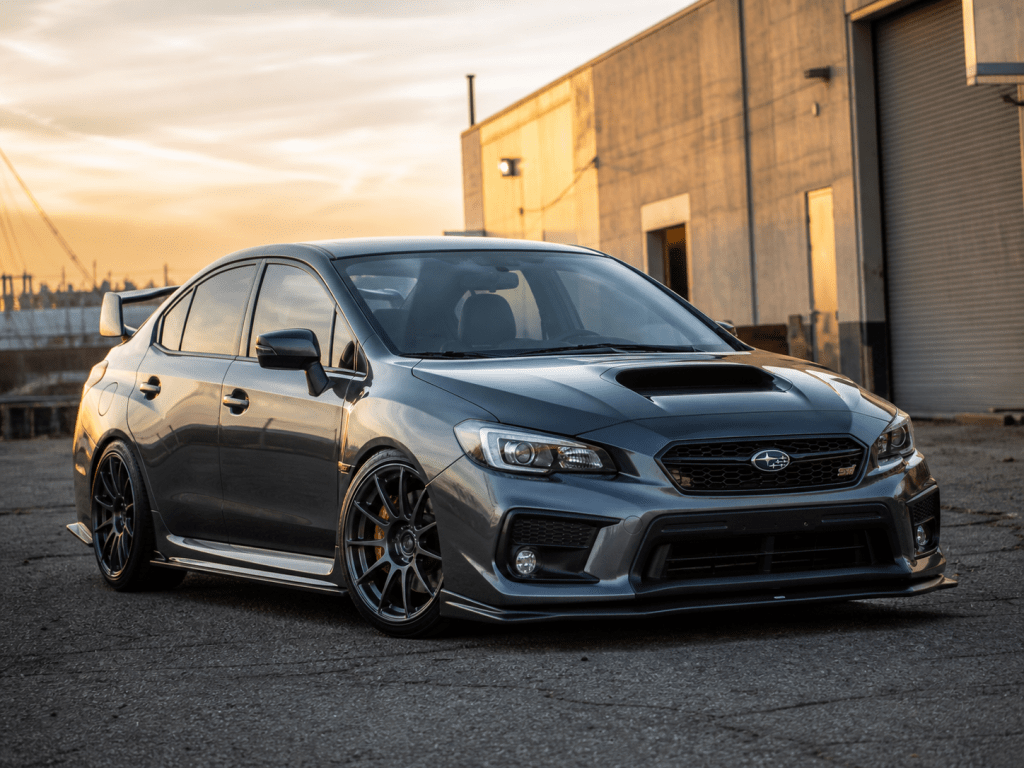
This is where many enthusiasts make the wrong move.
Actual cash value is the typical standard-policy approach. The insurer estimates what the car was worth before the loss, often considering age, mileage, condition, market comparisons, and depreciation.
For a stock commuter, that can work. For a modified car, it may not fully reflect the real cost of parts, tuning, fabrication, paint, wheels, or specialty labor.
Stated value means you tell the insurer what the vehicle is worth and provide documentation. But stated value is not always a guaranteed payout. Depending on policy language, the insurer may still pay the lower of the stated value or actual cash value after a covered loss.
That is why stated value can sound better than it really is. Always ask exactly how a total loss would be calculated.
Agreed value is often the strongest option for unique builds, collector cars, and modified vehicles with hard-to-replace parts. With agreed value, you and the insurer agree on the vehicle’s value before the policy starts, usually based on photos, receipts, appraisals, and documentation.
If your build is valuable, rare, or not easy to compare with normal used-car listings, the best insurance for modified cars may be an agreed value policy from a specialty insurer.
Not every modification creates the same insurance concern.
Performance changes can matter because they may affect acceleration, drivability, repair complexity, and claim risk. Insurers may pay closer attention to ECU tunes, turbo or supercharger kits, downpipes, exhaust changes, fuel upgrades, engine swaps, brake upgrades, and suspension changes.
If your car has tuning work, read TorqueBrief’s Stage 1 vs Stage 2 tune guide and what does an intercooler do article. They help explain why some upgrades are simple bolt-ons while others change the whole setup.
Cosmetic mods matter because they can increase repair costs. A wrap, custom paint, body kit, carbon hood, aftermarket bumper, or custom lighting can be expensive to replace correctly.
If appearance is a major part of your build, link your insurance decision to real replacement cost. TorqueBrief’s guides on car wrap cost, wrap vs paint, paint protection film, and ceramic coating are useful supporting articles.
Aftermarket wheels and suspension are common, but they can still affect claims. Expensive forged wheels, specialty tires, coilovers, air suspension, and alignment-sensitive setups cost more to repair than stock parts.
A street-legal car can also be track-prepared. Roll bars, harnesses, aggressive pads, track tires, cooling upgrades, and aero can signal a different use case. If you are building toward HPDE or weekend events, read TorqueBrief’s affordable track day cars guide. Then ask whether track, autocross, or timed event use is excluded.
Documentation is one of the easiest ways to make car insurance for modified cars less stressful.
Keep a clean folder with receipts, before-and-after photos, current exterior/interior/engine bay photos, wheel and underbody photos, tune invoices, appraisals for high-value builds, dyno sheets, mileage, parts lists, installation dates, and garage storage photos.
You do not need to make your car look like a legal case file. But you do need proof. The more unique your car is, the more important documentation becomes.
A simple spreadsheet with part, brand, purchase date, cost, installer, and receipt link can save you time later. For serious builds, documentation is often what separates the best insurance for modified cars from a policy that only covers the base vehicle.
Before choosing the best insurance for modified cars, ask the insurer or agent direct questions. Do not rely on vague answers like “you should be fine.”
Ask:
The best insurance for modified cars should give clear answers before you pay, not after a claim.
There is no single best company for every build. Instead, think in categories.
A mainstream insurer can work for mild builds, especially if the car is still a daily driver. This may be enough for basic wheels, audio, mild suspension, or appearance upgrades if the company offers custom parts coverage.
An independent agent can compare multiple carriers and may know which companies are more comfortable with modified vehicles. This can help if one company says no but another has a better fit.
A specialty insurer often makes more sense for limited-use, collector, classic, exotic, heavily customized, or high-value enthusiast cars. These policies may offer agreed value, but they may also have mileage limits, garage requirements, driver restrictions, or usage rules.
If the car sees road courses, HPDE events, autocross, or drag racing, ask about dedicated event coverage. Do not assume normal car insurance for modified cars follows you onto a track.
The best insurance for modified cars still needs to fit your budget. Here are smart ways to control costs without underinsuring the build:
Cheaper is not always better. The goal is to avoid paying for a policy that looks good on paper but does not match the car in your garage.
Avoid these common modified car insurance mistakes:
The best insurance for modified cars is boring in the best way: documented, clear, and built around what the car actually is.
According to the NAIC state insurance department directory, insurance rules can vary by state, so modified car owners should always confirm local requirements before choosing a policy.
The best insurance for modified cars is usually a policy that accepts your modifications, documents your parts, and uses the right valuation method. Mild daily drivers may only need a standard policy with custom parts coverage. Expensive builds may need agreed value specialty insurance.
Sometimes, but not always at full value. Some policies include limited aftermarket parts insurance, while others require an endorsement. Ask your provider what is included, what is excluded, and what limit applies.
Yes, you should disclose modifications. Rules vary, but hiding upgrades can create problems if the insurer later determines the car was materially different from what it agreed to cover.
It can. An ECU tune may be treated as a performance modification because it changes how the vehicle behaves. If you are looking for insurance for tuned cars, ask whether the company accepts software tuning and whether it affects pricing or eligibility.
Agreed value can be better for high-value modified cars because the vehicle’s value is agreed before the policy starts. It is especially useful when normal market listings do not reflect the cost or rarity of the build.
Usually, you should assume track use is excluded unless the policy clearly says otherwise. Ask about HPDE, autocross, drag racing, timed events, and competition use before driving on track.
Yes, if your modifications would be expensive to replace or if the car’s real value is higher than a standard policy would recognize. If the car has only minor low-cost upgrades, a simple endorsement may be enough.
The best insurance for modified cars is not one universal company, one magic policy, or one cheap quote. It is the coverage that matches your build, your state, your driving habits, and the actual money invested in the car.
If your car only has mild upgrades, start by asking your current insurer about custom parts and equipment coverage. If your build is rare, expensive, heavily modified, garage-kept, or difficult to value, look into specialty agreed value coverage. If you drive on track, treat that as a separate insurance conversation.
Your car is not generic. Your policy should not be generic either.