
Inscreva-se na Newsletter
Digite seu endereço de e-mail abaixo e inscreva-se na nossa newsletter.
Documentando a paixão por carros
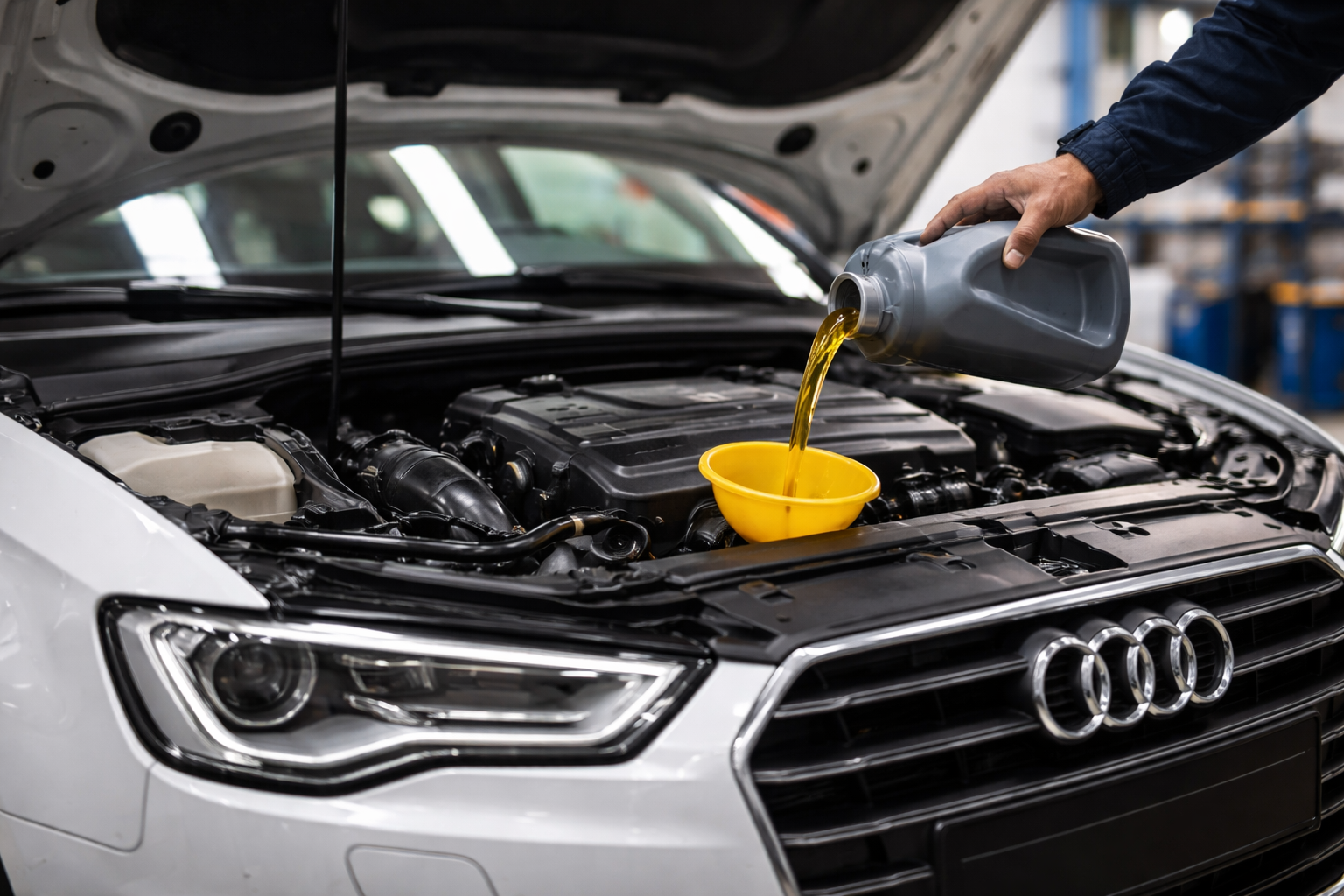
If you are wondering how often to change oil, the safest answer is: follow your owner’s manual first, then adjust based on how you actually drive. For many modern U.S. vehicles, oil change intervals often fall somewhere between 5,000 and 7,500 miles, while some full-synthetic engines can go longer when the manufacturer allows it.
But there is no one-size-fits-all number. The right interval depends on your vehicle, oil type, engine design, mileage, climate, driving habits, towing, traffic, and whether your car falls under “normal” or “severe” service.
This guide explains how often to change oil in a practical way, without old myths, shop pressure, or vague advice.
For most U.S. drivers, here is a practical starting point:
| Vehicle / Oil Type | Common Oil Change Interval | Best For |
|---|---|---|
| Older car with conventional oil | 3,000–5,000 miles | High-mileage or older engines |
| Modern car with synthetic blend | 5,000–7,500 miles | Normal daily driving |
| Modern car with full synthetic | 7,500–10,000 miles | Many newer vehicles |
| Manufacturer-approved long-life synthetic | Up to 10,000–15,000 miles | Only when the manual allows it |
| Severe driving conditions | Shorter interval | City traffic, towing, heat, cold, dust |
So, how often to change oil? Most drivers should think in the 5,000–7,500-mile range unless the owner’s manual, oil life monitor, or driving conditions say otherwise.
Engine oil does more than lubricate. It helps reduce friction, carry heat away from internal parts, suspend contaminants, protect against corrosion, and keep moving components alive under pressure.
When oil gets old, dirty, diluted, overheated, or too low, it loses protection. That can increase wear on bearings, piston rings, timing components, turbochargers, camshafts, and other expensive parts.
That is why how often to change oil is not just a routine maintenance question. It is one of the cheapest ways to protect the most expensive part of the car: the engine.
If you care about long-term ownership, this topic connects directly with vehicle reliability. For a broader look at dependable vehicles, read TorqueBrief’s guide to most reliable car brands.
For decades, many drivers were told to change oil every 3,000 miles. That rule is still useful for some older engines, severe use, unknown maintenance history, or vehicles using conventional oil.
But for many modern cars, the old 3,000-mile rule is too conservative. CalRecycle’s public used-oil campaign makes the same point clearly: 3,000 miles may be too early for many cars.
Today’s engines, oil technology, and oil life monitoring systems often allow longer intervals. AAA’s oil-change guidance also points drivers back to the owner’s manual and driving conditions instead of a single universal number: AAA oil change guide. The key is not guessing. The key is checking the factory maintenance schedule.
If you ask how often to change oil on a newer vehicle, the answer may be very different from a car built 20 years ago. A modern Toyota, Honda, Ford, Chevy, Subaru, Hyundai, BMW, or Mazda may have a specific mileage and time interval that depends on engine, oil specification, and driving pattern.
Both matter.
Many people focus only on mileage, but oil also ages with time. If you drive very little, short trips can still create moisture, fuel dilution, and contaminants inside the oil. That is why many maintenance schedules include both mileage and time, such as “every 7,500 miles or 12 months, whichever comes first.”
So, how often to change oil if you barely drive? In many cases, once a year is still a smart baseline, but your owner’s manual should decide the final answer.
Low-mileage drivers should be especially careful with:
This is where many U.S. drivers get it wrong. You may think you drive “normally,” but your manual may classify your use as severe.
Severe driving can include:
If these apply to you, how often to change oil should usually be based on the severe-service schedule, not the normal one.
A commuter in Los Angeles traffic, a driver in Arizona heat, a pickup owner towing on weekends, and a driver making five-minute trips in winter may all need shorter oil intervals than someone cruising mostly highway miles.
Synthetic oil usually lasts longer than conventional oil, resists heat better, flows better in cold starts, and can protect modern engines more consistently. That does not mean every synthetic oil change should be stretched as long as possible.
The correct interval still depends on the vehicle. Some engines are designed around full synthetic and longer intervals. Others may be harder on oil because of turbocharging, direct injection, high heat, short trips, or known oil consumption.
If you are asking how often to change oil with synthetic oil, a reasonable range is often 7,500 to 10,000 miles for many newer cars, but only your manual can confirm the right limit.
For performance-minded drivers, engine heat matters. If your car is turbocharged, TorqueBrief’s guides on how a turbo works and what an intercooler does are useful because turbo engines can place extra thermal stress on oil.
Many newer vehicles use an oil life monitor. This system estimates oil life based on driving conditions, temperature, mileage, engine operation, and other factors. It is not just a simple countdown in many modern cars.
You can usually trust the oil life monitor if:
However, do not ignore the dipstick. An oil life monitor may tell you oil life, but it may not always protect you from low oil level, leaks, or oil consumption. How often to change oil and how often to check oil level are related, but they are not the same thing.
Even if you are not at the mileage interval yet, your car may need attention. Watch for:
If any of these show up, how often to change oil becomes less important than checking the vehicle immediately. A warning light or low oil level should not wait for the next scheduled service.
Waiting too long between oil changes can lead to sludge, accelerated wear, overheating, timing chain issues, turbo damage, poor lubrication, and eventually engine failure.
The damage is not always instant. That is what makes it dangerous. A car may seem fine for months while dirty oil slowly increases wear inside the engine.
If you recently bought a used vehicle and do not have proof of the last service, change the oil and filter early. It is cheap insurance.
This also applies to enthusiast cars, sports cars, and weekend vehicles. If you drive hard, track the car, modify the engine, or let it sit for long periods, maintenance discipline matters even more. For fun but realistic ownership picks, see TorqueBrief’s list of best reliable sports cars.
Yes, in most cases, replace the oil filter with every oil change. The filter traps contaminants that would otherwise circulate through the engine. Putting clean oil through an old dirty filter defeats part of the purpose of the service.
When deciding how often to change oil, think of the oil and filter as a pair. Clean oil plus a fresh filter is the standard approach for proper engine care.
Do not choose oil by guesswork or brand loyalty alone. Use the viscosity and specification required by your owner’s manual. The label may say 0W-20, 5W-30, 5W-40, or another grade, but the important part is that it meets the manufacturer’s required standard.
Using the wrong oil can affect cold starts, fuel economy, emissions systems, turbo protection, variable valve timing, and warranty coverage.
If your car is modified, tuned, or driven hard, ask a qualified shop that understands your specific engine. For airflow-related modifications, TorqueBrief’s guide on whether a cold air intake is worth it can help you think more clearly about performance parts and maintenance.
Before your next oil change, use this checklist:
Oil changes are also a good time to look at brakes, tires, fluids, and suspension. If your shop mentions brake wear, TorqueBrief’s guides on when to replace brake pads and when to replace brake rotors can help you understand what matters.
If you want a simple maintenance strategy, use this:
This is a practical answer to how often to change oil, but the owner’s manual is still the final authority.
So, how often to change oil? For most U.S. drivers, the best answer is every 5,000 to 7,500 miles, or according to the oil life monitor and owner’s manual. Full synthetic oil may allow longer intervals, while severe driving, older engines, towing, short trips, heat, dust, and hard use may require shorter ones.
Do not rely on one outdated rule. Do not blindly stretch intervals either. The smartest approach is simple: follow the manual, understand your driving conditions, use the correct oil, replace the filter, check the level, and keep records.
A good oil change schedule is not just maintenance. It is engine insurance.
For many modern cars, how often to change oil falls around 5,000 to 7,500 miles, but some full-synthetic vehicles can go longer when the owner’s manual allows it.
With synthetic oil, many vehicles can go 7,500 to 10,000 miles, and some manufacturer-approved schedules may go up to 15,000 miles. Always follow the vehicle’s manual.
Not always. The 3,000-mile rule can still make sense for older cars, severe driving, or unknown history, but many modern vehicles do not need oil that often.
If you drive very little, change oil based on time as well as mileage. Many drivers should consider at least once per year, depending on the owner’s manual.
Yes, it can. Stop-and-go traffic, short trips, idling, heat, and cold starts may qualify as severe service and require shorter intervals.
No. The oil pressure light can mean a serious problem. Do not use it as a normal maintenance reminder. Follow the oil life monitor, maintenance schedule, and oil level checks.
Skipping oil changes can lead to sludge, increased wear, poor lubrication, overheating, turbo damage, and expensive engine repairs.
Yes. Replacing the oil filter at every oil change is the best practice for keeping contaminants out of the engine.